
What Is an HVAC Surge Protector?
An HVAC surge protector is a small device wired into your system's electrical supply that blocks voltage spikes from reaching the equipment. When a surge comes down the line, the protector diverts that excess energy away from your motors and circuit boards before it can do damage.
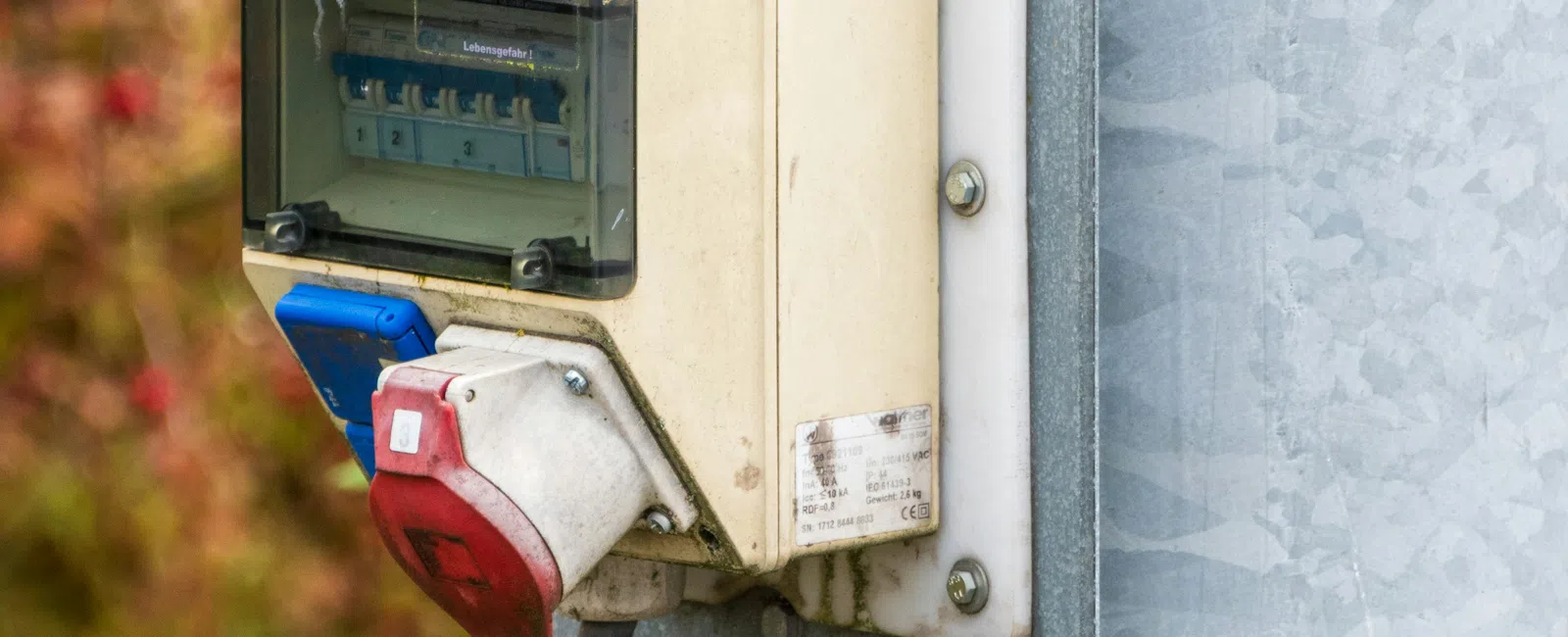
There are two common setups. A whole-home unit installs at your electrical panel and shields everything in the house. A dedicated AC condenser surge protector, sometimes called an AC disconnect surge protector, mounts directly at the outdoor unit's shutoff box, adding a second layer of defense at the equipment itself. Many north Atlanta homes end up with both, for reasons that come down to how and where each device catches a surge.
Why Your AC Is at Risk From Power Surges
Most people picture a lightning strike, and yes, a direct hit will fry electronics. But lightning is only part of the story. Everyday surges come from the utility grid switching loads, from outages snapping back on, and even from large appliances inside your own home cycling on and off. These smaller spikes happen far more often than storms, and they wear down sensitive components over time.
Modern systems are more exposed than the units your parents owned. Today's high-efficiency air conditioners run variable-speed motors and digital control boards, and that electronics-heavy design is exactly what a voltage spike likes to destroy. A surge can take out a capacitor in an instant, and a failing part often shows up as an AC that struggles to start or quits mid-cycle. If your system has ever tripped a breaker or refused to power up after a storm, the electrical side deserves a closer look.
Do I Need One if I Already Have Whole-Home Protection?
A whole-home unit at the panel is your first line of defense, and it handles the big surges coming in from outside. It is the foundation, and every home should have one.
A dedicated HVAC surge protector does something a little different. Mounted at the condenser, it clamps down on surges that slip past the panel, or that start inside the house, closer to where your most expensive equipment lives. Think of the panel unit as the front door lock and the condenser unit as a second lock on the room you care about most. For a system that can cost thousands to replace, that second layer is cheap insurance. Homeowners with newer, high-efficiency systems benefit the most, since those units carry the priciest electronics.
What an HVAC Surge Protector Costs
In general terms, the device itself is an affordable add-on, one of the lower-cost upgrades in the HVAC world. Professional surge protection installation adds a modest labor charge on top, and the whole job usually wraps up in a single visit.
Put that against the alternative. Replacing a compressor or a control board runs into the hundreds or thousands, and a total system replacement is a far bigger number. Measured against those repair bills, a surge protector is one of the least expensive ways to defend the money you already have sitting in your backyard. That math is why so many homeowners decide it is worth doing.
Choosing the Best Surge Protector for Your AC Unit
Shopping for the best surge protector for your AC unit can feel confusing with all the models and ratings out there. A few things matter more than the marketing on the box. Look for a unit rated for the voltage your system runs, typically 240 volts for a central AC. Check the surge current rating, since a higher number means it can absorb bigger spikes. And favor a model with a status indicator so you can tell at a glance whether it is still doing its job, because these devices wear out after absorbing enough hits and eventually need replacing.
Honestly, the smartest move is to let a licensed technician match the device to your specific system. The right protector for a variable-speed heat pump is not always the right one for an older single-stage unit, and a quick assessment saves you from guessing.
Can You Install One Yourself?
You can buy a plug-in strip for a lamp, but an HVAC surge protector works differently. It wires into the 240-volt disconnect beside your condenser, and that is licensed electrical work, not a weekend project. Doing it wrong risks your safety, your equipment, and often your manufacturer warranty.
A licensed pro sizes the unit correctly, installs it to code at the disconnect, and confirms your whole-home protection is doing its part too. The board and motor a surge would otherwise ruin are the same parts that keep your house cool in July, so it is worth having someone who knows the system handle it.
Is It Worth It?
For most north metro Atlanta homeowners, the answer is yes. If you live where summer storms are a regular occurrence, if you have invested in a newer high-efficiency system, or if you have already paid to replace a fried board once, surge protection is a small cost compared to a large risk. It will not make your AC run colder, but it can keep one bad storm from turning into a four-figure repair.
Talk to MR. HVAC
MR. HVAC is a family-owned and operated heating and air company with more than 25 years serving Cherokee, Cobb, Fulton, and the surrounding north Atlanta counties. Our licensed technicians can check your current setup, recommend the right protection for your system, and handle the surge protection installation the same day, with upfront pricing and no hidden fees.
Want to keep the next storm from costing you a compressor? Call MR. HVAC today to schedule a visit and protect the system you already own.


