
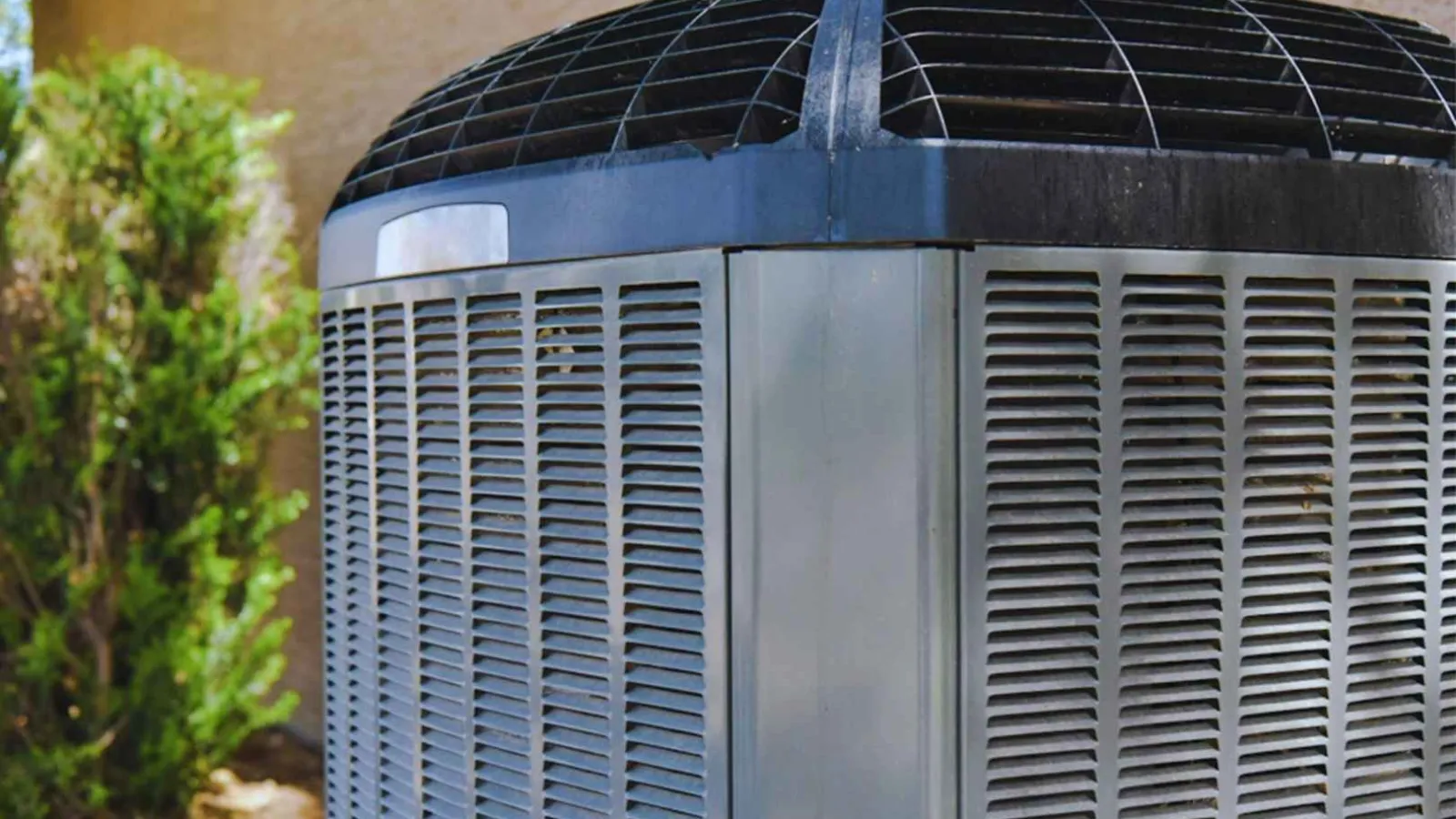
Trane HVAC Repair in Atlanta, GA
Fast, Honest Service From a Local Team That Knows Trane
✔ Family Owned & Operated
✔ We Service All Major HVAC Brands
✔ Financing Options
✔ Same-Day & Emergency Service Available
Schedule Service Fast

5.0 Rating

BBB A+ Accredited

4.9 Rating
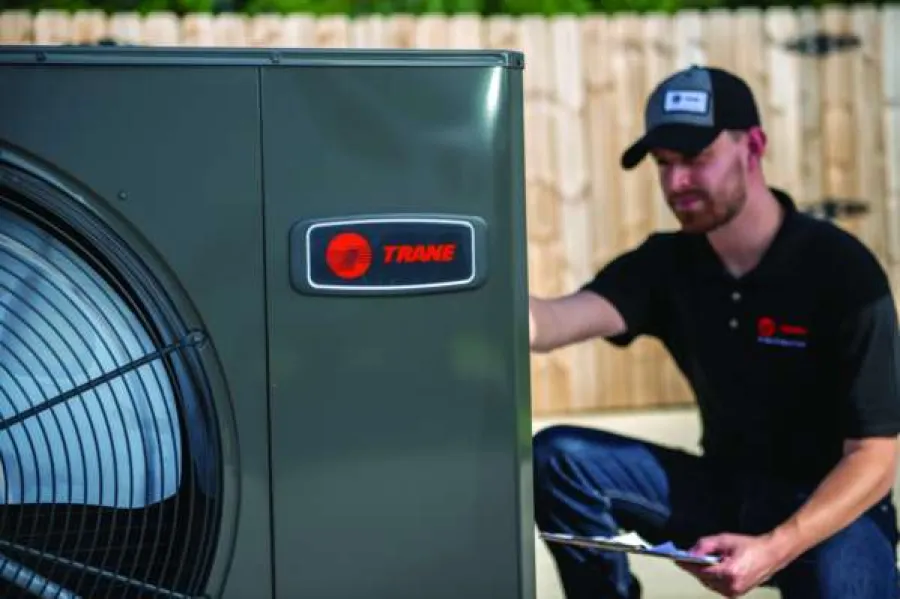
Certified Professionals Serving Every Top HVAC Brand in North Georgia
Trane has built a reputation for making some of the toughest HVAC equipment in the industry, and that reputation is well earned. Trane systems are engineered to last, and when they're maintained properly, they often do. But even the most durable equipment develops issues over time, and Trane systems have specific failure patterns that require real field experience to diagnose correctly.
MR. HVAC has been servicing Trane AC units, furnaces, and heat pumps for over 25 years. We know what to look for on a Trane system before we pull the panel. Trane AC units are known for developing issues with their dual-fuel controls, capacitors, and coil systems as they age. These issues require a different diagnostic approach, and that distinction matters when chasing down issues. We carry common Trane replacement parts on our trucks, so most repairs can be completed in a single visit.
Our Services for Trane Equipment

Trane AC Repair
From capacitor and contactor failures to refrigerant issues, coil problems, and control board faults, we diagnose and repair all Trane central air conditioning systems. If your Trane AC is blowing warm air, running constantly, or won't turn on at all, we'll find the cause fast.
Trane Furnace Repair
Heat exchanger issues, inducer motor failures, igniter problems, and pressure switch faults are among the most common Trane furnace repairs we handle. We know how to read Trane fault codes and trace the actual source, not just swap parts until something works.
Trane Tune-Up & Maintenance
Annual maintenance is the best investment you can make in a Trane system. We clean coils, verify refrigerant charge, test electrical components, and inspect your system against Trane's maintenance standards, keeping it running efficiently and extending its service life.

Trane Heat Pump Repair
Trane heat pumps are workhorses, but they require technicians who understand how the system behaves across both heating and cooling seasons. We service Trane heat pumps year-round, including reversing valve issues, defrost control failures, and refrigerant problems that can look very different depending on the time of year.
Common Trane Issues We Fix
We Know the Brand
-
Trane AC not cooling or blowing warm air
-
Trane furnace won't ignite or shuts off shortly after starting
-
Trane heat pump not heating in winter or cooling in summer
-
Trane system displaying fault or error codes
-
Trane inducer motor making noise or failing to start
-
Trane heat exchanger cracked or suspected carbon monoxide concern
Why should you trust Mr. HVAC with your Trane system’s care?

Honesty
At MR. HVAC honesty is at the heart of everything we do. We believe in transparent pricing, straightforward advice, and only recommending genuinely needed services. We ensure you are fully informed at every step, providing clear explanations and no hidden fees. We aim to ensure you always know what to expect—no surprises, just dependable service you can trust for years.

Community

Experience
With over 25 years of industry expertise, MR. HVAC takes pride in the knowledge and skills our team has gained. This experience lets us diagnose issues quickly and deliver reliable, high-quality solutions. Our seasoned technicians provide customers with peace of mind, knowing they're receiving service from professionals who can confidently handle any challenge.
Frequently Asked Questions about Trane HVAC
Do you service all Trane models?
Yes. We service the full Trane residential lineup, central air conditioners, gas furnaces, heat pumps, and air handlers, across all model generations, including Trane's XR, XV, and XL series equipment.
My Trane system is showing a fault code. What does that mean?
Trane systems use LED blink codes or digital displays to flag specific faults in the electrical system, refrigerant circuit, or mechanical components. The code narrows down the system, but a technician needs to verify the actual root cause from there. Ignoring a fault code usually allows a small problem to grow into a larger one.