
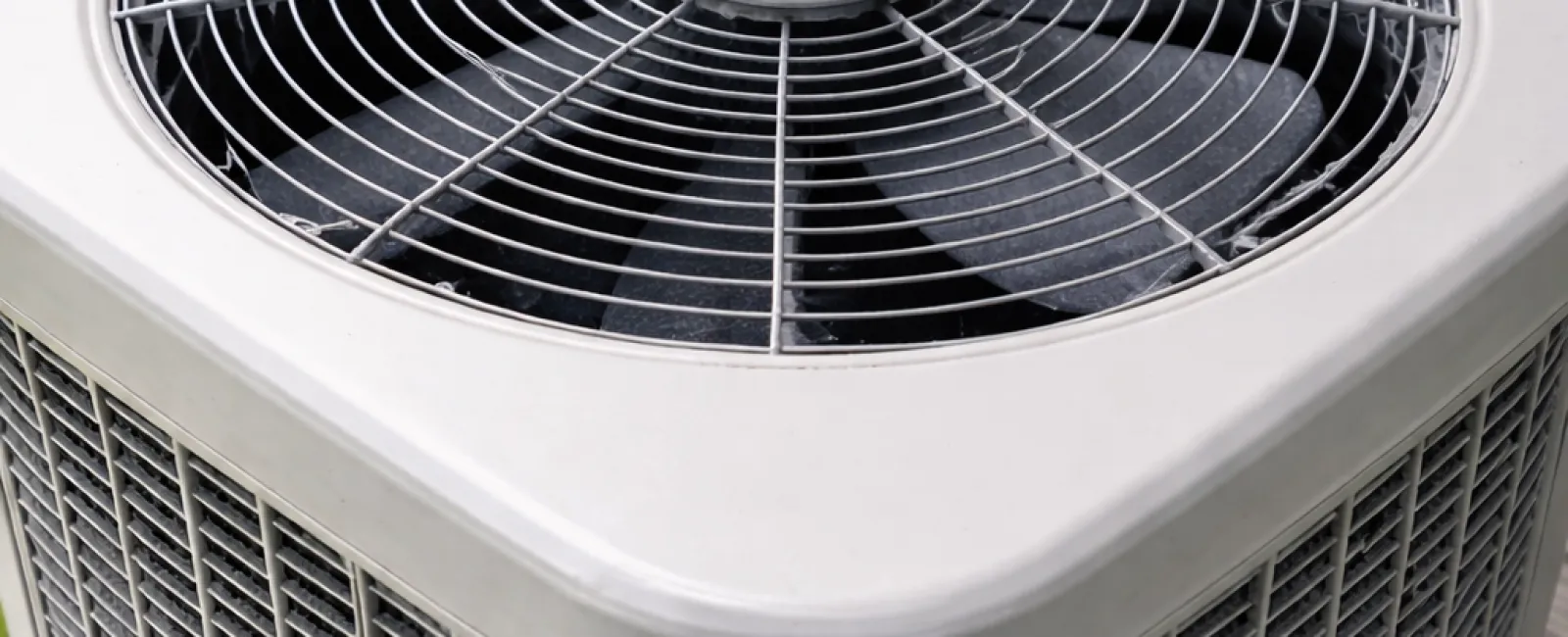
If your indoor unit is running but the outdoor condenser stays silent, no fan, no humming, no cooling, your outside AC unit not turning on while the inside is means your system is only half-working, and it's usually one of seven issues we see constantly on service calls across North Georgia. Waiting it out almost never fixes the problem and can make it more expensive. Here's what's actually happening and what you can safely check yourself before calling for service.
Why Your Indoor Unit Runs While the Outdoor Unit Stays Silent
Your air conditioning system has two main components that work together to cool your home. The indoor unit pulls warm air from your house and passes it over cold refrigerant coils, while the outdoor unit releases that absorbed heat and sends cooled refrigerant back inside. These units have separate electrical connections and controls, so your indoor blower can keep running on its own circuit even when the outdoor unit's circuits or safety switches are keeping it from starting.
When only your indoor unit runs, you're just circulating warm air with no actual cooling taking place, and running it this way can stress your evaporator coil and lead to ice formation. The sooner you identify why your outdoor unit won't start, the better your chances of avoiding a more costly AC repair.
What's Actually Wrong When Your Outside Unit Won't Start
Here's what we see most often on service calls across Canton, Woodstock, Roswell, and Alpharetta.
Power Supply Problems
The most straightforward reason your outdoor unit isn't running is that it's not receiving power. Your outdoor condenser connects to your electrical panel through a dedicated breaker, and there's typically a disconnect switch mounted near the unit. A single breaker trip might be a fluke from a power surge, but repeated tripping means something is drawing too much current, and resetting it repeatedly can damage your compressor or create a fire hazard. The disconnect switch can also be the culprit if it was switched off during maintenance or yard work, or if an internal fuse has blown. A technician performing AC diagnostics will test voltage at multiple points to pinpoint exactly where power is being interrupted.
Capacitor Failure
The capacitor is one of the most common failure points in outdoor units, especially in hot climates like North Georgia. It stores electrical energy and releases it in a burst to start your compressor and fan motors, so without a functioning capacitor, those motors can't begin spinning. A humming or clicking sound as the motors try and fail to start usually points here, and a bulging, leaking, or burned capacitor has already failed. Replacement is a relatively minor repair, but the component holds a dangerous charge even when the system is off, and repeated start attempts on a bad capacitor can burn out your compressor motor instead.
Contactor Malfunction
The contactor is a relay switch that controls power to your compressor and condenser fan. When your thermostat calls for cooling, it sends a low-voltage signal that closes the contactor and allows high-voltage power through. Over time the contacts can become pitted, burned, or corroded, so the contactor may not close completely, sometimes producing a chattering or buzzing sound as it tries to engage. Contactors are relatively inexpensive to replace, and catching the problem early prevents damage to costlier parts downstream.
Refrigerant Issues Triggering Safety Shutdown
Your system includes a low-pressure safety switch that cuts power to the compressor if refrigerant levels drop below a safe threshold, protecting it from running without adequate lubrication. Low refrigerant is always caused by a leak, and signs include gradual cooling decline over previous weeks, ice on the refrigerant lines, or hissing near the outdoor unit. An experienced technician can test system pressures, locate the leak, and restore proper charge with a freon recharge service once repairs are complete.
Compressor Problems
The compressor is the most critical component in your outdoor unit, pumping refrigerant through the entire system, and when it fails, cooling stops completely. Common causes include running with low refrigerant, electrical damage to the motor windings, and simple age, with warning signs like hard starting, short cycling, grinding noises, and tripped breakers usually showing up first. Compressor failure is often significant enough that it makes more sense to replace the whole outdoor unit, and a technician can help you weigh repair against system replacement.
Condenser Fan Motor Failure
The fan on top of your outdoor unit pulls air across the condenser coils to release heat, and without that airflow, pressure builds until the high-pressure safety switch shuts everything down. Fan motors fail from worn bearings, electrical problems, or overheating, often with grinding or squealing before complete failure, though sometimes the motor is fine and debris is simply jamming the blade. A technician will inspect for obstructions before recommending motor replacement.
Thermostat Communication Breakdown
Your thermostat sends signals to both units to coordinate the cooling cycle, and if the signal to your outdoor unit is interrupted, it won't know to turn on even though the thermostat is calling for cooling. This can stem from damaged low-voltage wiring, a bad control board, or a thermostat problem, so before assuming the worst, confirm your thermostat is set to "cool" mode at least 5 degrees below room temperature and try fresh batteries if the display is blank.
Warning Signs Your Outdoor Unit Is About to Fail
Outdoor units rarely go from perfectly fine to completely silent overnight. Most failures give some warning first. Watch for:
- Humming, clicking, or buzzing without the fan or compressor actually starting
- Grinding or squealing coming from the fan motor
- Weaker airflow or longer run times than usual
- The system short cycling, turning on and off more frequently than normal
- Ice forming on the refrigerant lines or the unit itself
Catching any of these early, before the unit goes fully silent, usually means a smaller repair instead of an emergency no-cool call.
Why Waiting Can Make Things Worse
When your outside unit stops working, it's tempting to wait and see if it starts again, but most failures don't fix themselves, and delay usually escalates repair costs. Continuing to try starting a unit with a failed capacitor stresses the compressor with every attempt, and a low refrigerant leak keeps getting worse until you're paying for both the leak repair and a larger recharge. The bottom line: a quick professional diagnosis usually saves money compared to waiting.
What to Check Before Calling for Service
While most outdoor unit failures require professional diagnosis, there are a few safe checks and one safe reset you can try first.
- Check your thermostat settings. Verify it's set to "cool" mode and the target temperature is below the current room temperature. If your thermostat has batteries, try replacing them.
- Look at your electrical panel. Find the circuit breaker dedicated to your air conditioning system. If it's tripped, reset it once. If it trips again within minutes, stop resetting it and call for service.
- Inspect the disconnect switch near your outdoor unit and make sure it's in the "on" position.
- If those checks don't solve it, try one safe reset: turn your thermostat off, switch the outdoor disconnect off, wait five minutes, switch the disconnect back on, wait another minute, then turn your thermostat back to cool mode.
If the unit still won't start after a reset, a component has likely failed and needs professional diagnosis rather than another attempt, and it's time to call for emergency AC repair if temperatures are climbing.
Preventing Future Outdoor Unit Failures
Most outdoor unit failures are preventable with proper maintenance, since capacitors, contactors, and motors all degrade gradually before failing completely. Regular AC tune-ups let technicians catch components approaching failure and replace them proactively, often avoiding emergency breakdowns during the hottest days of summer, while also catching refrigerant leaks early and confirming safety devices are functioning correctly.
With proper maintenance, outdoor condensing units typically last 15 to 20 years, though components like capacitors and contactors may need replacement every 5 to 10 years along the way. If you haven't had your system serviced in over a year, scheduling service is one of the best investments you can make in reliable cooling.


