
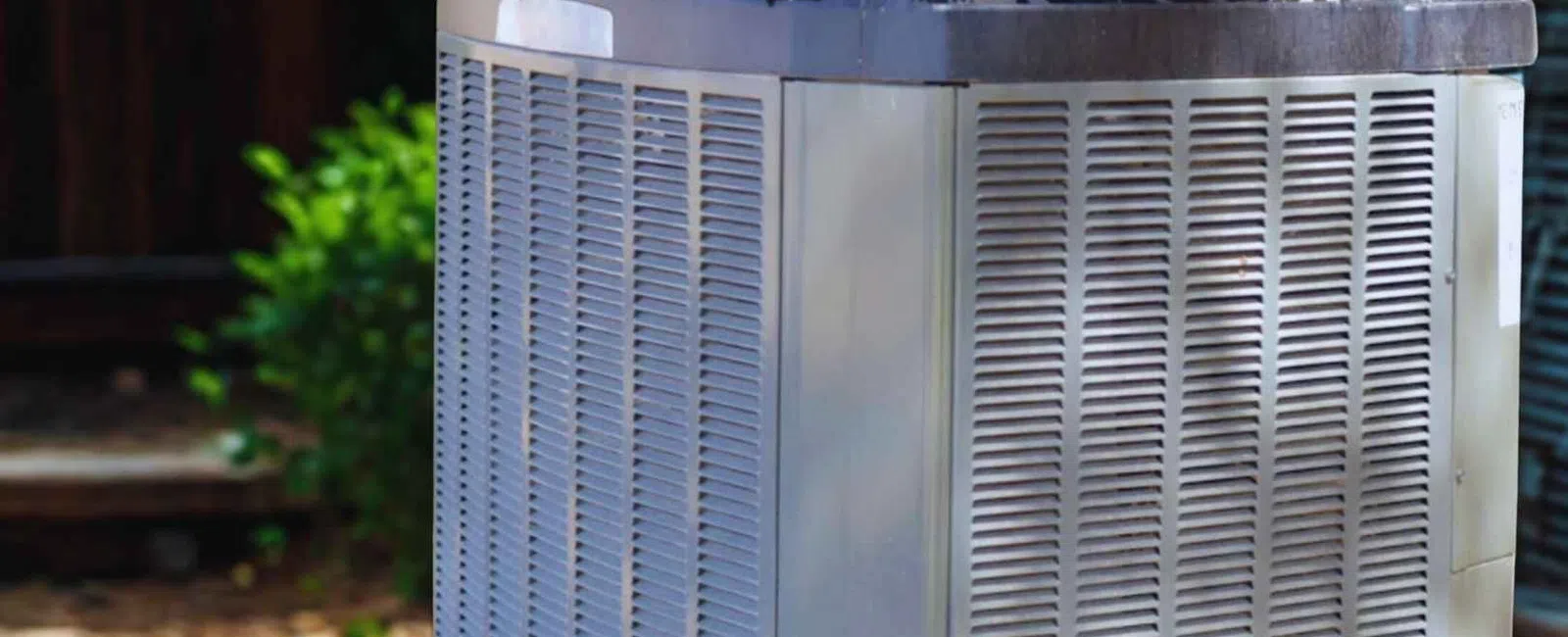
If you're replacing a system this fall, someone has probably asked whether you want a heat pump or a standard air conditioner. Mechanically, the two are closer than most homeowners expect.
Heat pumps and air conditioners cool your home the exact same way
This is the part that surprises people. A heat pump in cooling mode is an air conditioner. Same compressor, same refrigerant, same outdoor unit sitting on a pad, same indoor coil.
Neither one actually creates cold air. Both move heat out of your house and dump it outside, then blow the now-cooler air back through your ducts. If you swapped a properly sized heat pump in for your air conditioner tomorrow, your July would feel identical.
So when someone tells you a heat pump cools better, or worse, than an air conditioner, be skeptical. Cooling performance comes from sizing, installation, refrigerant charge, and airflow. It does not come from which of the two labels is on the box.
The one part that makes a heat pump different
A heat pump has a reversing valve. That single component lets it run the refrigerant cycle backward.
In winter, instead of pulling heat out of your house and sending it outside, it pulls heat out of the outdoor air and brings it inside. There is usable heat in outdoor air even when it feels cold to you, and a heat pump is built to extract it.
That's the whole difference. An air conditioner can only run one direction, which is why it needs a furnace to handle heating. A heat pump runs both directions, which is why it can be your heating system too.
What actually changes in your home
Here's what shifts when you go from an AC-plus-furnace setup to a heat pump:
- Your heat source changes fuel. A furnace burns gas to make heat. A heat pump uses electricity to move heat. If your home has no gas line, that matters quite a bit.
- Your thermostat gets more modes. Heat pump thermostats include settings a furnace thermostat doesn't have, like auxiliary heat and emergency heat. They also need to be compatible with heat pump wiring.
- The air from your vents feels different in winter. A furnace pushes air out well above body temperature. A heat pump delivers heat that's warm but noticeably cooler to the touch. The house reaches the same setpoint, but the sensation at the register is milder, and this catches people off guard the first winter.
- Your outdoor unit runs year-round. It will also go through defrost cycles on cold mornings, which is normal but can look alarming the first time you see it.
Why heat pumps work well in Georgia's climate
Cold climates are where heat pumps get their bad reputation, and that reputation is largely outdated. It's also mostly irrelevant here in Georgia.
Cherokee County and metro Atlanta sit in the range where heat pumps do their best work. Our winters are mild enough that a properly sized heat pump handles the majority of heating hours on its own, and the days cold enough to push a system to its limits are few.
Many homes in our service area also run a dual-fuel setup, pairing a heat pump with a gas furnace. The heat pump handles everyday heating, and the furnace takes over only on the coldest stretches. If you already have a working furnace and you're replacing the outdoor unit anyway, this is worth asking about.
Where an air conditioner still makes sense
A heat pump isn't automatically the right answer. A standard air conditioner paired with a furnace remains a solid choice in plenty of situations:
- You have a relatively new furnace that has years of service left in it, and replacing only the cooling side keeps your heating investment intact.
- Your home's electrical service can't readily support the heating load, which is a real consideration in some older houses.
- You strongly prefer the feel of furnace heat, which is a legitimate comfort preference and not a technical flaw.
How to decide
The honest answer is that this is not a decision you can make from a spec sheet, because it depends on things specific to your house: your ductwork, your electrical panel, whether you have gas service, and the condition of whatever heating equipment you already own.
What helps is knowing which questions to raise. Ask what your home's heating load actually is. Ask whether your existing furnace is worth keeping in the picture. Ask what happens on the coldest week of the year, and what the backup heat plan looks like. Ask whether the thermostat you have now will work with the system being proposed.
It's also worth checking whether the equipment you're considering qualifies for any current Georgia rebates or tax credits, since heat pumps have often been included in those programs and the terms change.
If you're weighing this decision, our team here at MR. HVAC is glad to evaluate your home and give you a straight answer about which direction makes sense, including when the answer is to keep what you have. Take a look at the brands we service, review your financing options, or schedule service online.


