
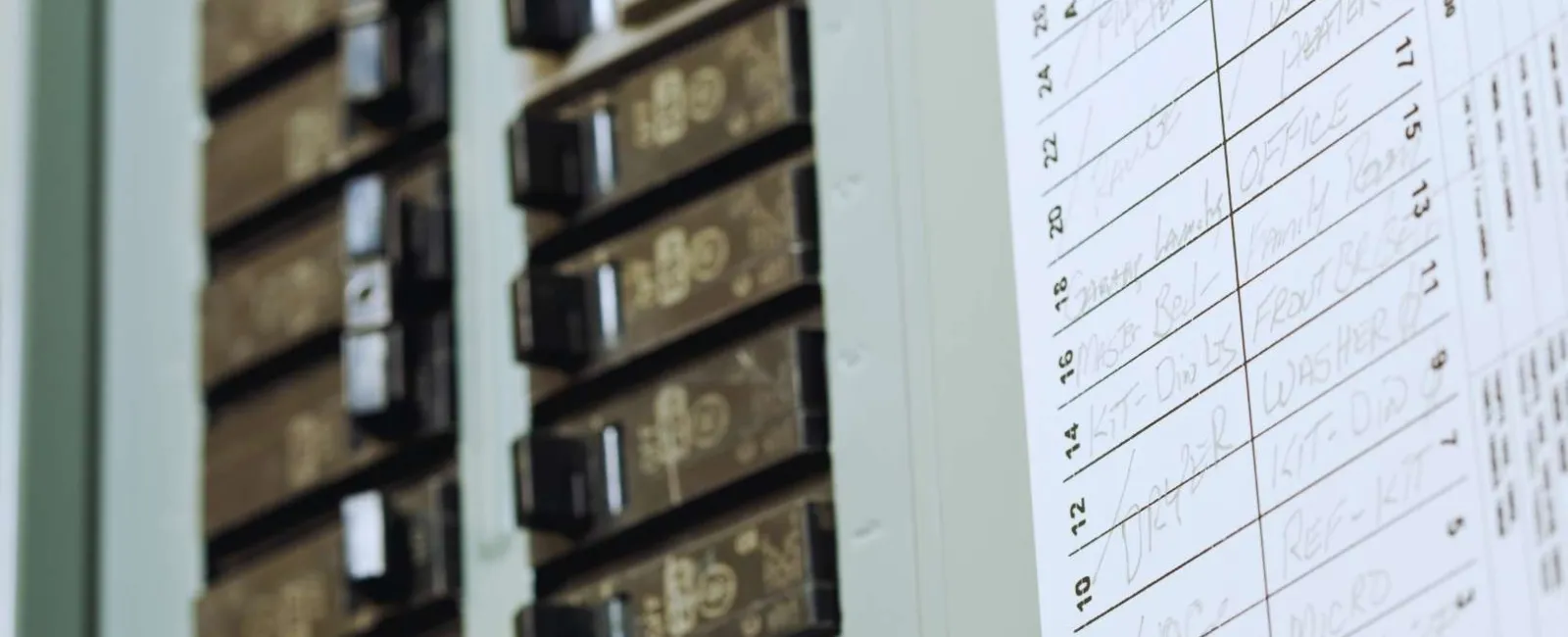
You walk over to your electrical panel, flip the AC breaker back on, and within minutes, click, it trips again. Maybe you're trying to reset it for the second or third time, but each time you get the same result.
Here's what you need to understand: that circuit breaker isn't malfunctioning. It's doing exactly what it was designed to do. When your AC breaker keeps tripping, it's detecting an electrical problem serious enough to cut power before something catches fire.
The question isn't how to make it stop tripping. The question is: what's creating the dangerous electrical condition that's triggering it?
Why Resetting a Tripped AC Breaker Repeatedly Is Risky
Circuit breakers exist for one purpose: to prevent electrical fires. When the current flowing through a circuit exceeds what the wiring can safely handle, the breaker trips instantly, cutting power before the wires overheat and ignite.
When your AC trips the breaker, it means something in that system is drawing far more electricity than it should. Every time you reset the breaker and the AC pulls that excessive current again, you're putting stress on the wiring, the breaker itself, and the failing component inside your AC.
Repeatedly forcing a tripped breaker back on can:
- Damage the breaker mechanism, eventually causing it to fail when you actually need protection
- Overheat wiring inside walls where you can't see it
- Accelerate the failure of whatever AC component is already struggling
- In the worst cases, allow conditions that lead to electrical fires
If your AC trips the breaker once, resetting it is reasonable. If it trips again immediately or within a few minutes, stop resetting it and call for professional AC repair. The breaker is telling you something is genuinely wrong.
What Makes Your AC Draw Too Much Power
Air conditioners require substantial electricity to operate; the compressor alone can draw 15 to 20 amps during startup. Your system is designed to handle these loads safely. But when components fail or degrade, they start drawing current beyond what the circuit can accommodate.
Here's what typically causes that electrical overload.
A Failing Capacitor
Your AC has capacitors that store and release electrical energy to help motors start and run. Think of them as batteries that give the compressor and fan motors the extra jolt they need to turn on.
When a capacitor weakens, which happens naturally over time, especially in hot climates, it can't provide that startup boost. The motor tries to start anyway, pulling significantly more current from the circuit to compensate. That surge can trip the breaker instantly.
You might hear a clicking sound from the outdoor unit as the compressor repeatedly tries to start and fails. A bad capacitor is one of the most common reasons an AC trips the breaker immediately upon startup.
Hard-Starting Compressor
The compressor is the heart of your air conditioning system, and it demands enormous electrical current to start, often three to five times its running amperage. As compressors age, they have more difficulty overcoming the initial resistance to start spinning.
This "hard starting" condition means the compressor pulls excessive amps for longer than normal during startup, overloading the circuit. In North Georgia summers, when systems run nearly continuously and compressors cycle on and off frequently, this problem accelerates.
An AC repair technician can install a hard-start kit, a special capacitor that gives aging compressors the extra electrical boost they need. This can extend the life of a struggling compressor by several years.
Shorted Motor Windings
Electric motors, in your compressor, your condenser fan, and your indoor blower, contain copper wire windings wrapped around cores. These windings are insulated to keep electricity flowing through the proper path.
When motors run hot for extended periods, that insulation breaks down. Eventually, the copper windings touch where they shouldn't, creating what electricians call a "short." Instead of electricity flowing through the full winding, it takes a shortcut, allowing far more current to flow than the wires can handle.
This is dangerous. Shorted windings can cause wires to overheat rapidly, potentially melting insulation and starting fires. The breaker trips to prevent this, but if you keep resetting it, you're asking worn insulation to hold back the current it can no longer contain.
Grounded Compressor
This is the worst-case electrical scenario. A grounded compressor means that an internal electrical winding has broken and made contact with the metal compressor housing itself. This creates a direct path for electricity to "short to ground."
When this happens, the sudden surge of current is often so severe that it trips the breaker immediately. The oil inside the compressor can actually ignite from the electrical discharge, causing a burnout that contaminates the entire refrigerant system.
A grounded compressor typically cannot be repaired; it must be replaced. Given that compressor replacement often costs nearly as much as a new outdoor unit, many homeowners opt for full system replacement when facing this diagnosis.
Refrigerant Problems
When your AC is low on refrigerant, usually due to a leak somewhere in the system, the compressor has to work significantly harder to move the reduced amount of refrigerant through the system. This extended runtime and increased effort translate into higher electrical draw.
Low refrigerant also causes the evaporator coil to freeze over. A frozen coil restricts airflow, which makes the blower motor work harder. Between the struggling compressor and the overworked blower, the combined electrical demand can exceed what your circuit can handle.
Dirty Condenser Coils
Your outdoor unit's job is to release heat from your home into the outside air. The condenser coils facilitate this heat transfer, but they're constantly exposed to dirt, pollen, grass clippings, and debris.
When coils become coated with grime, they can't release heat efficiently. The compressor runs longer and works harder to achieve the same cooling, drawing more current throughout. During the hottest days, when outdoor temperatures push into the mid-90s, a dirty condenser that might have managed in milder weather can overload the system.
This is one reason annual AC maintenance includes thorough coil cleaning. It's not just about efficiency; it's about preventing the conditions that lead to breaker trips and component failures.
Wiring and Connection Issues
Electrical connections loosen over time. Temperature changes cause wires to expand and contract, vibrations from running equipment loosen connections, and corrosion degrades contact quality.
Loose connections create resistance, and resistance generates heat. A connection that's barely making contact can heat up enough to damage wire insulation or even start arcing—electrical sparks jumping across the gap. This abnormal electrical behavior can trip breakers as the circuit senses dangerous conditions.
The breaker box itself can have these issues. An aging breaker may trip inconsistently, or corroded connections at the panel can cause problems that appear to be AC-related but actually originate in your home's electrical system.
What Happens When a Technician Diagnoses the Problem
When you call for emergency AC service due to a tripped breaker, the technician's job is to find exactly where the electrical problem originates. This typically involves:
- Measuring amperage draw during startup and running to see if the system exceeds normal ranges
- Testing capacitors with specialized equipment to check if they're providing proper capacitance
- Checking motor windings for shorts to ground using a megohmmeter
- Inspecting all electrical connections for looseness, corrosion, or heat damage
- Examining the breaker itself for signs of wear or failure
- Checking refrigerant levels and looking for leak indicators
Because electrical problems can be dangerous, this isn't something to troubleshoot yourself. Even seemingly simple tasks like testing capacitors involve components that can hold lethal electrical charges.
Preventing Future Breaker Trips
Most AC electrical problems develop gradually. Capacitors weaken over seasons of use. Connections loosen incrementally. Coils accumulate dirt layer by layer. By the time the breaker starts tripping, the underlying problem has usually been building for months.
A seasonal tune-up catches these issues before they become emergencies. During maintenance, technicians clean coils, test capacitors, check electrical connections, measure system performance, and identify components that are degrading before they fail completely.
For North Georgia homeowners, scheduling professional maintenance service in spring, before the heavy cooling season, gives you the best chance of avoiding mid-summer breakdowns when you need your AC most.
When Your Breaker Trips, Take It Seriously
A tripped AC breaker isn't just an inconvenience; it's your home's electrical system telling you something is wrong. The breaker exists specifically to prevent fires and equipment damage. When it trips, it's doing its job.
Reset it once. If it trips again, don't keep forcing it. Turn the thermostat off, leave the breaker off, and contact a qualified technician. The problem won't fix itself, and continuing to reset a tripped breaker only increases the risk of damage to your AC, your wiring, and potentially your home.
MR. HVAC provides fast, reliable AC diagnosis and repair throughout Canton, Woodstock, Roswell, and Alpharetta. When your AC breaker keeps tripping, our technicians have the tools and expertise to locate and fix the issue safely. Contact us today to schedule service.


