
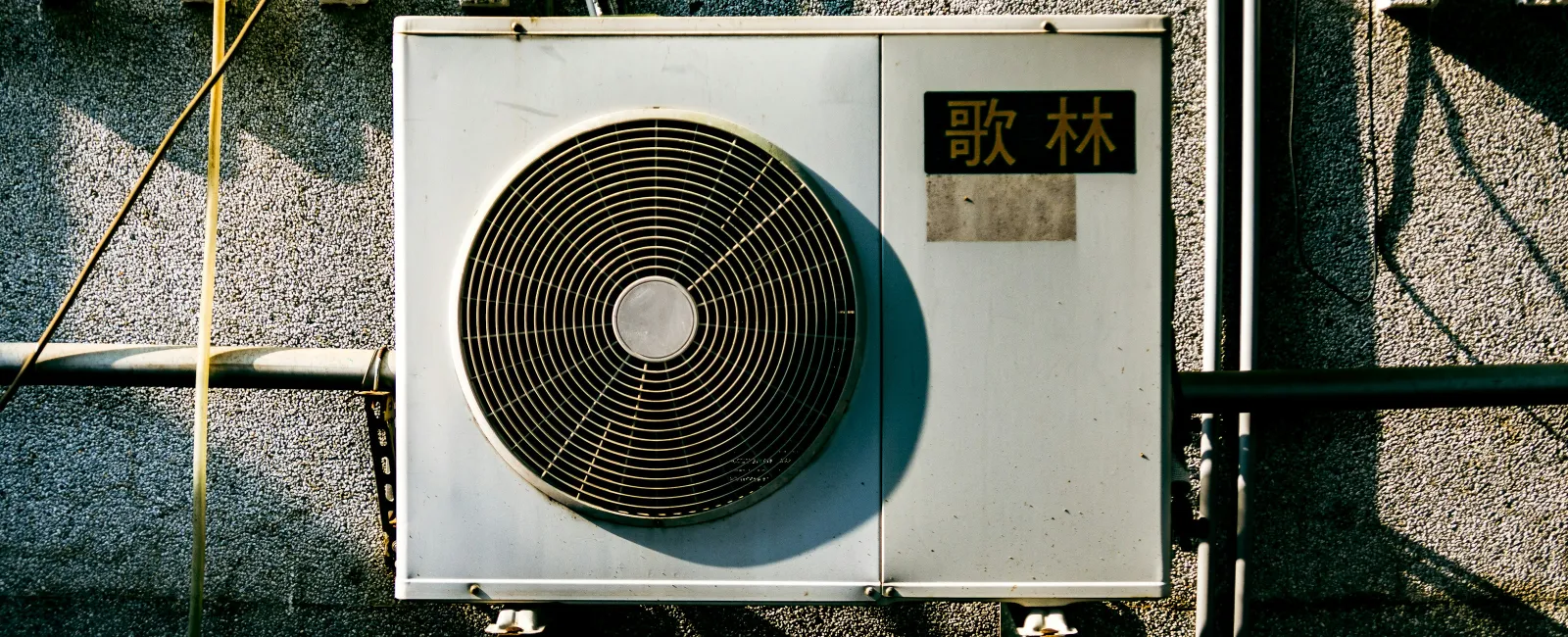
Quick Answer: If it's below 35°F outside and your heat pump runs continuously, that's usually normal. Heat pumps work harder in cold weather and may run 24/7 to maintain the temperature. However, if your house won't reach the set temperature, or it's running nonstop in mild weather (above 40°F), you likely have a problem.
Your heat pump has been humming outside all night. The thermostat says 70°F, but your living room barely hits 65°. The air from the vents feels lukewarm at best. You're layering blankets and wondering if something's broken.
Here's what's happening and when you need to worry.
When Constant Running Is Normal (And When It's Not)
Heat pumps don't work like furnaces. Instead of blasting hot air in short bursts, they extract heat from outdoor air and move it inside. This process takes longer, especially when it's cold outside.
Normal Operation: Below 35°F, most heat pumps hit their "balance point" where they must run continuously to maintain indoor temperature. This is expected and efficient.
Problem Territory: If outdoor temps are above 40°F and your system still runs nonstop without reaching your set temperature, something's wrong.
6 Reasons Your Heat Pump Can't Keep Your House Warm
1. Auxiliary Heat Isn't Kicking In
Your heat pump needs backup. Most systems have auxiliary electric heat strips that activate when outdoor temperatures drop below 35°F or when the heat pump can't keep up alone.
Check your thermostat display. Look for "AUX HEAT" or "EMERGENCY HEAT" indicators. If you don't see this during very cold weather, your auxiliary heat might not be working.
Common causes: Blown fuse, tripped breaker, faulty relay, or disabled thermostat settings. A technician needs to diagnose which component failed.
2. Low Refrigerant From a Leak
Refrigerant doesn't "run out" like gas in a car. If levels are low, you have a leak.
Symptoms of low refrigerant:
- Ice forming on outdoor unit (even in heating mode)
- Lukewarm air from vents instead of warm air
- System runs constantly but produces little heat
- Higher energy bills with worse performance
Low refrigerant can cut your heating capacity by 30 to 50 percent. Your outdoor unit keeps running, but it's barely transferring any heat indoors. Continuing to operate with low refrigerant damages the compressor and turns a $400 repair into a $3,000 replacement.
3. Clogged Air Filter Choking Airflow
A dirty filter is the most common fixable problem. When your filter clogs with dust and pet hair, airflow drops dramatically. The heat pump produces warmth, but it can't move enough air to heat your rooms.
Quick fix: Check your filter now. If you can't see light through it, replace it. Filters should be changed every 60 to 90 days during heating season, more often if you have pets.
4. Defrost Cycle Malfunction
During cold weather, moisture freezes on your outdoor coil. The defrost cycle melts this ice every 60 to 90 minutes. When this cycle fails, ice builds up and acts like insulation, preventing heat absorption.
What to check: Walk outside and look at your heat pump. Light frost is normal. Heavy ice buildup covering the entire coil means the defrost system isn't working.
Don't: Pour hot water on the unit or chip ice off manually. This damages components. Turn the system off and call for heat pump repair.
5. Thermostat Set Unrealistically High
Panicked homeowners crank the thermostat to 78°F, thinking it will heat faster. It won't. It just forces your expensive backup heat strips to run continuously.
When outdoor temperatures are very cold, your heat pump has a maximum capacity. Setting the thermostat higher than your system can deliver just racks up your electric bill without improving comfort. See thermostat not reaching set temperature.
Better approach: Set your thermostat to 68 to 70°F and leave it there. If you're cold, add a layer. Avoid frequent adjustments.
6. Undersized System for Your Home
If your heat pump has struggled since installation, it may be too small for your house. An undersized system physically cannot produce enough heat to warm your space.
Signs of undersizing:
- Comfort problems that worsen as temps drop
- Can't reach the set temperature on cold days
- Runs constantly even in moderate weather (45 to 55°F)
Unfortunately, there's no quick fix. You need a properly sized system, which typically means replacement. Learn more about how to properly size your HVAC system.
What to Check Before Calling for Service
1. Verify thermostat settings
- Mode: HEAT (not Emergency Heat)
- Temperature: Set to 68 to 72°F
- Fan: AUTO (not ON)
- Replace batteries if battery-powered
2. Replace air filter. Dirty filter? Swap it now. This solves 30 percent of heating complaints.
3. Inspect outdoor unit
- Clear debris, leaves, or snow
- Check for heavy ice buildup
- Ensure 2 feet of clearance around the unit
4. Check circuit breakers. Both indoor and outdoor units have dedicated breakers. Make sure neither has tripped.
Georgia Winters and Heat Pump Performance
In Canton, Woodstock, and Marietta, winter temps usually hover in the 30s and 40s with occasional dips into the teens. During these cold snaps, your heat pump works at maximum capacity.
A heat pump running constantly when it's 22°F outside is normal. A heat pump running constantly when it's 50°F and sunny is not.
If your system struggles during moderate weather or problems have worsened over multiple winters, schedule a diagnostic before the next cold front hits. Small problems caught early cost far less than midnight breakdowns.
When to Call a Professional
Call MR. HVAC, if you notice:
- The system runs 24/7, but the house won't reach the set temperature
- Ice completely covering outdoor unit
- Air from vents feels barely warm or cold
- Energy bills spiked without explanation
- Strange noises (grinding, banging, hissing)
Frequently Asked Questions
Why does my heat pump blow lukewarm air instead of hot? Heat pump air feels cooler than furnace air (around 95°F vs 120°F). This is normal. If the air feels cold, check if your auxiliary heat is working.
At what temperature should I switch to emergency heat? Never, unless your heat pump is completely broken. Emergency heat shuts off the heat pump and uses only expensive electric coils. Your bill will triple.
How long should a heat pump run per hour in winter? Below 40°F, expect near-constant operation. Above 45°F, it should cycle on and off normally.
Is it normal for my heat pump to run all night? Yes, when outdoor temps are near or below freezing. The system maintains temperature rather than cycling like a furnace.
Get Your Heat Pump Fixed Today
Don't spend another night shivering while your heat pump runs uselessly outside. For over 25 years, MR. HVAC has diagnosed and repaired heat pump systems throughout Cherokee, Cobb, and Fulton counties.
Our family-owned company provides honest assessments with no pressure to replace equipment that's still working. We understand how Georgia's climate affects heat pump performance.
Call (770) 213-4111 or schedule service online. We offer same-day appointments for emergency heating repairs in Canton, Woodstock, Roswell, Alpharetta, and surrounding North Georgia communities.


