
Your furnace filter does a lot of heavy lifting. It keeps dust, pet hair, and other particles from clogging your heating system while also improving the air you breathe. But here's the catch: a dirty furnace filter stops doing its job, leading to bigger problems like higher energy bills, uneven heating, and a furnace that wears out faster than it should.
The standard recommendation is to change your furnace filter every 60 to 90 days. But that's just a starting point. Depending on your home, your habits, and what's floating around in your air, you might need to replace it more often or sometimes less.
Let's break down what actually determines how often you should change your furnace filter and what happens when you don't.
General Guidelines: How Often to Replace Your Furnace Filter
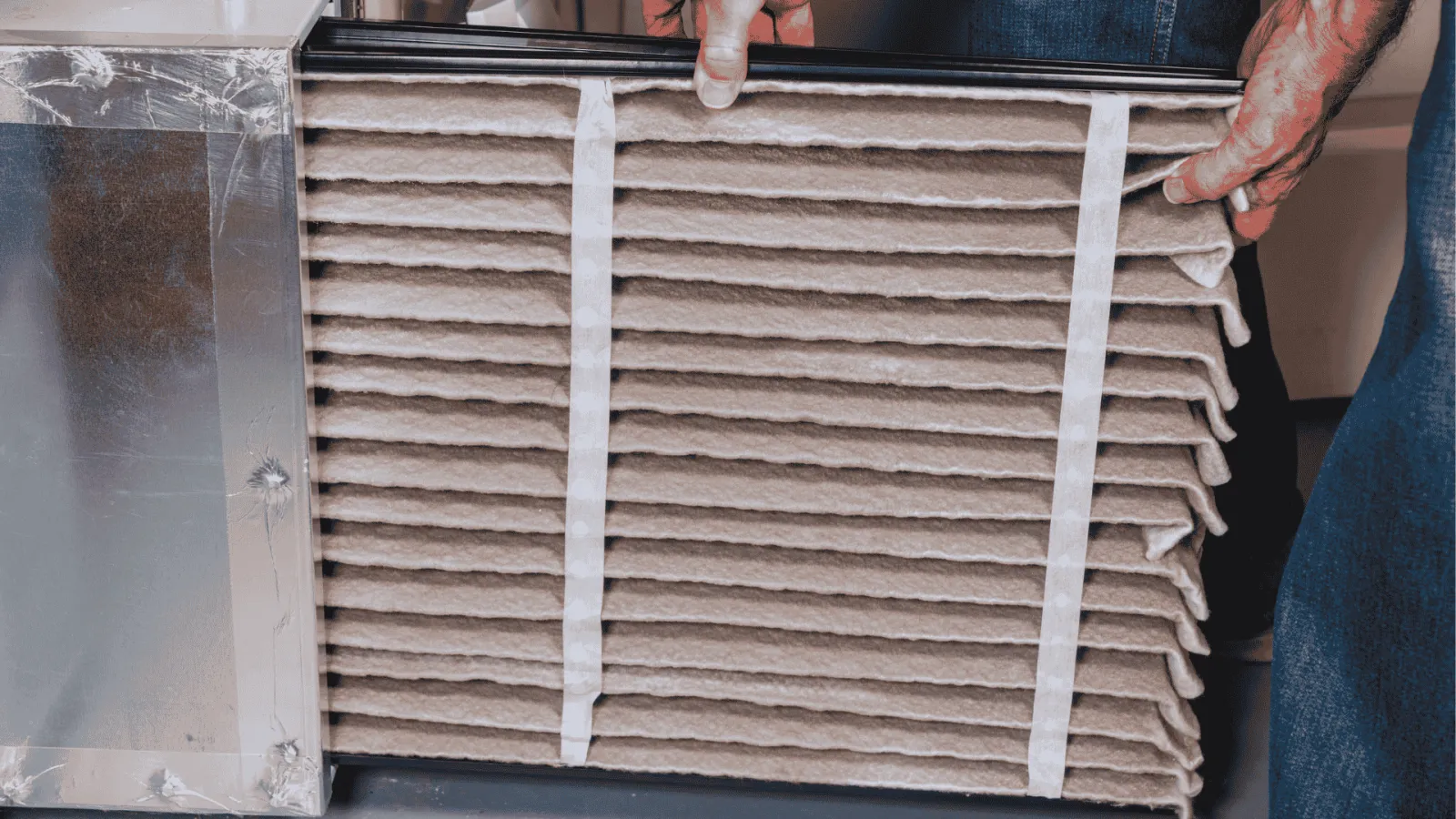
Most furnace filter manufacturers suggest changing the filter every 60 to 90 days. The EPA takes it a step further, recommending checking your filter monthly, especially during the heating season, and replacing it whenever it looks dirty.
Here's a rough guide based on filter type and home conditions:
Basic fiberglass filters: Every 30 days. These thin, inexpensive filters catch larger particles but don't improve air quality much. They clog faster than other types.
Pleated filters (MERV 7-12): Every 60 to 90 days. These are the most common residential filters. They capture more particles than fiberglass and strike a good balance between filtration and airflow.
High-efficiency filters (MERV 13+): Every 30 to 60 days. These traps capture smaller particles, such as mold spores, bacteria, and smoke. They're great for air quality, but restrict airflow more, so they need frequent changes.
HEPA filters: Once per year. HEPA filters remove 99.97% of particles as small as 0.3 microns, including dust, pollen, mold, and bacteria. Some are washable and reusable.
That said, these timelines shift based on real-world factors. A home with three dogs and a dusty neighborhood will go through filters faster than a single person in a clean, modern apartment.
What Affects How Often You Should Change Your Furnace Filter?
Pets
If you have dogs or cats, especially ones that shed, your filter will clog faster. Pet dander and fur are sucked into the return vent and accumulate on the filter. Homes with multiple pets should check the filter monthly and replace it as soon as it appears dirty. Regular grooming and vacuuming help, but you'll still go through filters quicker than a pet-free household.
Allergies and Asthma
If anyone in your home deals with allergies or asthma, cleaner air makes a noticeable difference. A clogged filter can't trap allergens effectively, so particles like pollen, dust mites, and mold spores circulate through your home. Use a high-efficiency filter with a MERV rating of at least 11 or 13, and change it more frequently during allergy season. Some homeowners with severe allergies swap filters monthly to keep symptoms under control.
How Often You Run Your Furnace
The more your furnace runs, the faster the filter fills up. In winter, when your furnace operates daily, filters get dirtier more quickly. During mild fall or spring weather when the furnace only kicks on occasionally, a filter might last the full 90 days. If you live in a place with harsh, long winters, plan to check and change your filter more often during the coldest months.
Indoor and Outdoor Air Quality
Indoor air can be two to five times more polluted than outdoor air. If you live near a construction site, a busy road, or an area with wildfires or high pollen counts, more particles make their way into your home. Dust from remodeling projects, smoke from cooking, and even burning candles add to what your filter has to catch. Poor air quality means more frequent filter changes.
Home Size and Number of Occupants
Larger homes with more people generate more dust, skin cells, and airborne particles. A busy household with kids running in and out will need more frequent filter changes than a single occupant in a small home. The more activity, the more debris ends up in your HVAC system.
Filter Type and MERV Rating
MERV stands for Minimum Efficiency Reporting Value. It measures how well a filter captures particles between 0.3 and 10 microns. The higher the MERV rating, the more particles it traps, but the filter also restricts airflow more and clogs faster.
Most homes use filters with a MERV rating between 7 and 12. Anything rated 13 or higher is considered high-efficiency and works well for allergy sufferers, but it needs to be replaced more often. Check your furnace manual to see what MERV rating your system can handle. Some older furnaces aren't designed for high-efficiency filters and could struggle with restricted airflow.
What Happens If You Don't Change Your Furnace Filter?
Skipping filter changes might not seem like a big deal, but a clogged filter can trigger a chain of problems.
Higher Energy Bills
When a filter gets clogged, air can't flow through easily. Your furnace has to work harder and run longer to push warm air through your home. That extra effort shows up on your heating bill. Replacing a dirty filter is one of the easiest ways to keep your energy costs down.
Poor Air Quality
A filter covered in dust and debris stops trapping new particles. Instead, contaminants circulate through your home. You might notice more dust on surfaces, stuffiness in the air, or worsening allergy symptoms. If you smell something musty or stale when the furnace runs, it could be a sign that the filter is overdue for replacement.
Uneven Heating
Restricted airflow means some rooms get less heat than others. You might crank up the thermostat to warm a cold bedroom, but that makes other rooms too hot. A clean filter helps your furnace distribute heat evenly throughout your home.
Shorter Furnace Lifespan
When your furnace works harder because of a clogged filter, it wears out faster. Components such as the blower motor and heat exchanger experience greater stress, leading to breakdowns and costly repairs. Regular furnace maintenance includes filter changes for a reason. It's a simple step that protects your investment.
System Failure
In extreme cases, a completely clogged filter can cause your furnace to overheat and shut down. If the blower motor can't move enough air, the furnace's limit switch triggers to prevent damage. Your system won't run until the problem is fixed. A $20 filter is a lot cheaper than an emergency repair call.
How to Tell If Your Furnace Filter Needs Changing
You don't need to wait for problems to show up. Check your filter once a month, especially during heating season. Here's what to look for:
- Visible dirt and dust: Hold the filter up to a light. If you can't see light through it, or if the surface is covered in a thick layer of dust and debris, it's time for a new one.
- Increased dust in your home: If you're dusting furniture more often or noticing particles floating in the air, your filter isn't doing its job.
- Furnace running constantly: A clogged filter makes your furnace work harder and cycle more frequently to maintain the temperature.
- Unpleasant odors: A musty or burning smell when the furnace kicks on can signal a dirty filter that's restricting airflow.
- Allergy symptoms: If allergies suddenly get worse indoors, a clogged filter may be allowing allergens to circulate.
How to Change a Furnace Filter
Changing a furnace filter takes about five minutes and doesn't require any tools. Here's how to do it:
1. Turn off your furnace. You can flip the power switch near the unit or turn off the system at the thermostat.
2. Locate the filter. Most furnace filters are located inside the furnace cabinet, near the blower, or in the return air duct. Some systems have the filter in a wall-mounted return vent. Check your furnace manual if you're not sure where to find it.
3. Remove the old filter. Slide the filter out of its slot. Note which direction the arrows on the frame are pointing. The arrows indicate airflow direction and should point toward the furnace, not away from it.
4. Check the size. The filter dimensions are printed on the frame (e.g., 16x25x1 or 20x20x1). You'll need to buy a replacement that matches this size.
5. Install the new filter. Slide the new filter into place, making sure the arrows point in the correct direction. The cardboard or metal frame should fit snugly in the slot.
6. Turn the furnace back on. Restore power and let the system resume regular operation.
Some homeowners set a reminder on their phone or write the installation date on the filter frame to track when it's due for replacement. If you prefer not to think about it, consider a filter subscription service that delivers replacements on a schedule.
Can You Clean and Reuse a Furnace Filter?
Most furnace filters are disposable and designed for one-time use. Pleated filters and fiberglass filters can't be cleaned effectively, and trying to wash them can damage the material or reduce their filtration ability.
Some filters are labeled as washable or reusable. These are typically made of foam, plastic, or metal mesh. You can vacuum them or rinse them with water, let them dry completely, and reinstall them. However, even washable filters eventually need replacing. Check the manufacturer's recommendations for how long they're designed to last.
While reusable filters can save money over time, they require more maintenance. If you forget to clean them regularly, they'll restrict airflow just like a disposable filter that's overdue for replacement.
The Role of Professional Furnace Maintenance
Changing the filter is something most homeowners can handle, but your furnace needs more than just clean filters to run efficiently. Professional furnace maintenance involves inspecting and cleaning components you can't easily access yourself.
A trained technician will clean the blower assembly, check the heat exchanger for cracks, inspect the flue for blockages, lubricate moving parts, test the thermostat, and make sure everything operates safely. These tasks go beyond what a filter change can accomplish and help catch minor problems before they turn into expensive repairs.
Most HVAC professionals recommend scheduling annual furnace maintenance in the fall before heating season starts. During that visit, the technician will also check your filter and replace it if needed. Regular professional service extends your furnace's lifespan and keeps it running efficiently.
How Much Do Furnace Filters Cost?
Furnace filter prices vary based on type, size, and quality:
Fiberglass filters: Around $5 each. These are the cheapest options but offer minimal filtration. They catch large particles like dust and lint, but don't do much for air quality.
Pleated filters (MERV 7-12): Between $10 and $30 each. This is the most common choice for residential systems. They balance cost, airflow, and filtration.
High-efficiency filters (MERV 13+): Between $20 and $50 each. These traps smaller particles and work well for homes with allergy concerns, but they need more frequent replacement.
HEPA filters: Between $20 and $100, depending on size and brand. HEPA filters provide the highest level of filtration and typically last a year.
Spending a bit more on a quality filter saves money in the long run by protecting your furnace and reducing energy costs. Cheap filters might seem like a deal, but they clog faster and offer less protection for your system.
Special Considerations for Winter
Winter is when your furnace works hardest, so filters get dirtier faster. During the coldest months, check your filter every three to four weeks instead of waiting the full 60 to 90 days. In North Georgia, we get cold snaps that keep furnaces running for days at a time, and that puts extra strain on the filter.
If you notice your furnace struggling to keep up or if certain rooms stay colder than others, a clogged filter is a common culprit. Swapping it out takes minutes and often solves the problem without needing a service call.
Keep Your Furnace Running Smoothly
Changing your furnace filter is one of the simplest and most effective ways to protect your heating system and improve your home's air quality. But filters are just one piece of the puzzle. If your furnace is older, making strange noises, or not heating as well as it used to, it might be time for a professional inspection.
MR. HVAC serves Canton, Woodstock, Roswell, Alpharetta, and the surrounding North Georgia area. We offer comprehensive furnace maintenance to keep your system running efficiently all winter long. Please give us a call or schedule service online.
Frequently Asked Questions
How often should I change my furnace filter if I have pets?
If you have one or two pets, check your filter monthly and replace it every 30 to 60 days. Homes with multiple pets or heavy shedders may need to change filters even more frequently. Regular vacuuming and grooming help reduce the rate at which the filter clogs.
What MERV rating should I use for my furnace?
Most residential furnaces work well with filters rated MERV 7 to 12. If you have allergies or want better air quality, consider a MERV 11 or 13 filter. Check your furnace manual to confirm your system can handle higher MERV ratings, as some older units struggle with the restricted airflow caused by high-efficiency filters.
Can a dirty furnace filter cause my furnace to stop working?
Yes. A severely clogged filter restricts airflow so much that the furnace can overheat. When that happens, the limit switch shuts the system down to prevent damage. If your furnace won't stay on or keeps cycling off, check the filter first before calling for repairs.
How do I know what size furnace filter to buy?
The filter size is printed on the cardboard or metal frame of your current filter. It will look something like 16x25x1 or 20x20x4. The numbers represent the length, width, and thickness in inches. Buy a replacement that matches these dimensions exactly.
What's the difference between a $5 filter and a $30 filter?
Cheap fiberglass filters catch large particles like dust and lint, but don't improve air quality much. More expensive pleated or high-efficiency filters trap smaller particles like pollen, pet dander, mold spores, and bacteria. They also protect your furnace better by preventing debris from building up inside the system. Spending more on a high-quality filter usually pays off with better air quality and a longer furnace life.


