
There's a particular kind of frustration that comes with an AC
unit running but not cooling. The system kicks on, you can hear it humming, air
is moving through your vents, but an hour later, the house is still stuffy and
warm. It feels like the AC is doing its job while completely failing at it.
This isn't a made-up problem, and it isn't always obvious
what's causing it. The system can be running in multiple ways, fans spinning, the compressor cycling, the thermostat calling for cool, while something upstream is quietly preventing any actual heat transfer.
If your AC is running but not cooling your home, here are the
most likely culprits and what a technician checks when they arrive to
diagnose it.
The Refrigerant Situation Is More Complicated Than "Just Recharge
It"
Refrigerant is the substance your system uses to move heat
from inside your home to outside. It cycles between liquid and gas states,
absorbing heat at the indoor coil and releasing it at the outdoor unit. When
refrigerant levels are low, that heat-transfer process breaks down, and the
result is an AC that runs constantly without cooling anything.
What a lot of homeowners don't know: refrigerant doesn't get
used up. Your system is a sealed loop. If the charge is low, that means there's
a leak somewhere. Adding more refrigerant without finding and fixing the leak
is just a temporary fix, and an expensive one, since refrigerant costs have
climbed significantly in recent years.
Low refrigerant doesn't just reduce cooling capacity; it puts
stress on the compressor. The compressor is designed to work with the right
refrigerant charge. Running it low causes it to work harder and run hotter,
accelerating wear. Compressor replacement is one of the most expensive repairs
on an AC system, often running into the thousands.
This is one reason that if your AC isn't cooling and it's been
gradual, not a sudden failure, a refrigerant leak is high on the diagnostic
list. The MR. HVAC technicians serving Canton, Woodstock, Roswell, and
Alpharetta are EPA-certified to handle refrigerant safely, find the leak
source, and recharge the system correctly.
Frozen Evaporator Coils Shut Down Heat Transfer Entirely
This one surprises a lot of people: your AC can freeze up in
the middle of summer. When the evaporator coil — the indoor component that
absorbs heat — gets too cold, moisture in the air freezes onto it instead of
just condensing and draining away. Once ice forms on the coil, it acts as
insulation. Air can't contact the cold coil surface, heat transfer stops, and
you get warm or barely cool air blowing from the AC while the system runs nonstop.
Coil freezing has a few common causes:
- Restricted airflow from a clogged air filter or blocked return vents
- Low refrigerant (again, refrigerant issues show up in multiple ways)
- A blower motor that's failing and not pushing enough air across the coil
- Running the AC when outdoor temperatures drop below about 60 degrees
The tricky part: you might not see the ice unless you look directly at the indoor unit. The system may appear completely normal from the
outside while the evaporator coil is encased in frost.
If ice is the problem, the coil needs to thaw completely
before the system can work again, which can take several hours. But thawing
the coil doesn't fix whatever caused it to freeze. That underlying issue needs
to be diagnosed.
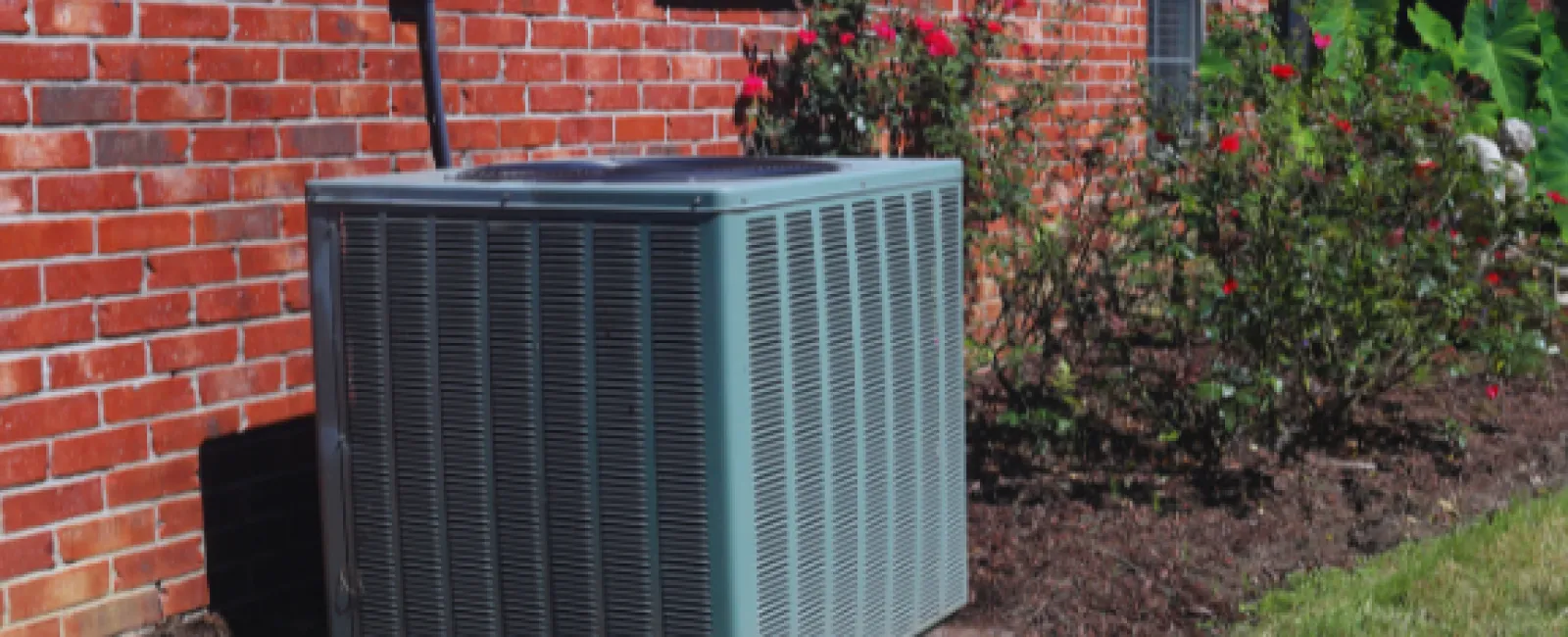
A Dirty Condenser Coil Traps Heat That Needs to Escape
Your outdoor unit, the condenser, is where the heat removed from
your home gets released into the outside air. For that to happen, the condenser
coils need to shed heat efficiently. Over time, those coils
accumulate dirt, pollen, grass clippings, and cottonwood fluff. When the coil
surface is coated, it can't release heat as designed.
The result is a system that's technically running but
struggling to complete the refrigeration cycle. Refrigerant returns to the
compressor still carrying heat it couldn't fully release. System pressures
climb. The compressor runs hotter. Cooling capacity drops.
North Georgia's combination of tree pollen in spring,
cottonwood in early summer, and general outdoor debris means condenser coils
here can foul faster than in regions with less vegetation. It's one of the
reasons annual maintenance matters: a technician cleaning the condenser coil at the start of the season prevents exactly this problem.
You can rinse the outside of the condenser with a garden hose
to knock off loose debris, but a deep coil cleaning, which requires getting between the fins, typically requires the right equipment and typically involves scheduling AC repair or maintenance
service with a technician.
Capacitor Failure Keeps the Compressor From Doing Its Job
Capacitors are the components that help your AC's motors start
and maintain their run cycles. There are typically two: a start capacitor that
gives the compressor its initial jolt of power, and a run capacitor that helps
it sustain operation. When a capacitor weakens or fails, the compressor may
struggle to start, start but run poorly, or not start at all, even while the
fan continues running.
This creates a confusing scenario: you can hear and feel the
outdoor unit running (the fan is spinning), but the compressor isn't actually
doing its job. No compressor activity means no refrigerant movement, and no
cooling, even though the system appears active.
Capacitors degrade over time, and they degrade faster in heat.
In Georgia summers, where outdoor units can sit in temperatures above 100
degrees in direct sunlight, the lifespan of capacitors is often shorter than
manufacturers' estimates. This is one of the most commonly replaced parts during
summer AC repair calls.
A failing capacitor isn't something you can diagnose by
looking at the unit. It requires testing with a multimeter. If your air conditioner is running but not
cooling and you're hearing unusual humming or clicking from the outdoor
unit, a capacitor test is one of the first things a technician will check.
Thermostat Problems Can Fool You Into Thinking the System Is Working
Not every case of "AC running but not cooling" is
actually an AC problem. Sometimes the issue is upstream; the thermostat isn't
communicating the right information to the system.
A thermostat installed near a heat source, a sunny window, a lamp, or a return vent will read the room as warmer than it is and keep calling for cooling even after the target temperature has been reached. The opposite is
also true: a thermostat in an unusually cool spot might not call for cooling
when the rest of the house is uncomfortable.
A miscalibrated thermostat can also cause problems. If the
thermostat's temperature sensor has drifted over time, it may be reading a few
degrees off, enough to make the system behave erratically. The fix might be as
straightforward as recalibration, or the thermostat may need replacement.
The basic checks here: confirm the thermostat is set to COOL
(not just FAN), verify the set temperature is below the current room
temperature, and check that the batteries aren't low. If those are all fine and
the system still isn't behaving right, the thermostat should be tested.
Duct Leaks Mean Conditioned Air Never Reaches Where You Need It
Here's a scenario where the AC itself is working perfectly,
and you're still hot. Leaky ductwork means cooled air escapes into
unconditioned spaces like attics, crawlspaces, or wall cavities before it ever
reaches your living areas. The system runs, produces cold air, and delivers it
directly to spaces no one occupies.
The Energy Department estimates that typical duct systems lose
20 to 30 percent of conditioned air through leaks and poor connections. In
older Georgia homes, especially those with ductwork in hot attics, the actual
figure can be higher.
Signs that suggest a duct problem rather than an equipment
problem: certain rooms are consistently harder to cool than others, the house
feels better on mild days than hot ones, or your energy bills have been
climbing despite no apparent system change. Duct testing and sealing is
something MR. HVAC can evaluate as part of a diagnostic visit.
An Aging or Undersized System Hits a Wall When Georgia Temperatures Peak
A system that performs well in May can fall short in July. As
outdoor temperatures climb into the upper 90s, which happens regularly in
Canton, Woodstock, and the surrounding North Georgia area, an AC system that's
approaching the end of its useful life may simply lack the capacity to maintain
indoor comfort.
Similarly, an undersized system, improperly
specified for the home at installation, will run continuously during peak heat
without ever reaching the set temperature. This is also a symptom of a system
that hasn't been maintained, since efficiency losses from dirty coils, worn
components, and low refrigerant compound over time.
If your system is more than 10-12 years old and struggling to
cool, it's worth having a technician evaluate whether AC repair makes sense or whether
the math on continued repairs versus replacement has shifted. MR. HVAC can walk
you through that assessment honestly.
What a Technician Does When Your AC Is Running But Not Cooling
A proper diagnostic visit isn't guesswork. When a MR. HVAC
technician arrives for an AC running but not cooling complaint. Here's what
they're checking:
- Static pressure and airflow measurements to identify restriction points
- Refrigerant pressures and subcooling/superheat readings to assess charge and identify leak indicators
- Capacitor testing with a multimeter
- Electrical component inspection: contactors, relays, fuses, and breakers
- Visual coil inspection, both indoor and outdoor
- Thermostat calibration and temperature differential testing
The goal is to find the actual cause, not just replace parts and hope. Some of these issues compound: a dirty filter leads to coil freeze, which stresses the compressor and throws off refrigerant pressures. A thorough diagnostic catches the chain, not just the symptom.
Call MR. HVAC for AC Repair in North Georgia
If your AC is running but your house stays hot, the problem
isn't going to correct itself. Most of these issues worsen and become more expensive the longer they run. MR. HVAC serves Canton, Woodstock, Roswell,
Alpharetta, and the surrounding North Georgia area.
Our technicians come equipped to diagnose the real problem,
not just swap the most likely part. If your home needs AC repair service, give us a call.
We'll tell you exactly what's wrong, what it takes to fix it, and what your
options are, no pressure, no guesswork.


