
Why Fall HVAC Maintenance Matters
Your heating system has been sitting idle all summer. Dust settles, parts stiffen, and small issues you never noticed in July are waiting for the first hard freeze. A quick round of winter HVAC maintenance catches those problems while they are cheap to fix.
It also saves money. A clean, tuned system heats your home using less energy, which shows up on every power bill through the cold months. If your heating costs crept up last winter, a tuned system is often what separates a normal bill from a high winter energy bill.
Safety is the third reason. A gas furnace that has not been checked can develop a cracked heat exchanger or a carbon monoxide leak, and those are risks no homeowner should guess about. Catching a worn igniter or a tired blower motor in October also means you choose when to fix it, on your schedule and your budget, instead of paying emergency rates when it quits on a holiday weekend.
What a Professional Winter Tune-Up Includes
Preventative maintenance is where a professional matters most, because much of the heating system is sealed away where you cannot safely reach. A thorough winter tune-up usually covers:
- Inspecting the heat exchanger for cracks that could leak carbon monoxide
- Cleaning the burners and testing the flame sensor
- Checking gas pressure and connections for leaks
- Testing the blower motor, belts, and electrical connections
- Confirming the thermostat reads and cycles correctly
- Checking refrigerant and the reversing valve on heat pumps
- Running a safety check on all controls and shutoffs
These are the same checks that keep small problems from turning into a no-heat emergency in January. Preventative maintenance services like these cost far less than the repair bill after a part fails at the worst possible time.
When To Schedule Your Winter Tune-Up
Timing matters more than most homeowners realize. The best window for a professional tune-up is early fall, roughly September into October, before the first cold snap sends everyone calling at once. Book ahead of that rush, and you get your pick of appointment times instead of waiting days with no heat.
A professional visit once a year is the standard most systems need, and the fall tune-up is the heating half of that yearly HVAC service schedule.
What You Can Do Yourself This Fall
You do not need tools or training for the basics. Work through this list on a free afternoon:
- Swap in a fresh air filter, then set a reminder to change it every one to three months all winter
- Walk the house and open every supply and return vent, clearing furniture and rugs off them
- Pull leaves, mulch, and debris away from your outdoor unit or heat pump so it can breathe
- Check your thermostat, replace the batteries, and set a comfortable winter schedule
- Feel for drafts around doors and windows, and seal the ones letting cold air in
- Put fresh batteries in every carbon monoxide detector and test each one
None of this takes long, and each step helps your system run more easily once the temperature drops.
While you are at the thermostat, set it for the season. A steady, sensible schedule keeps you comfortable without overworking the furnace, and dialing in the best thermostat settings for winter can trim your heating costs before the first bill lands.
Test Your Heat Before You Need It
This is the step most people skip. On a cool morning, switch the system to heat and let it run for 15 minutes. You want to know it works now, not at 10 p.m. on the first freezing night.
A faint burning-dust smell at first startup is normal, since the burners are cooking off summer dust. If that smell lingers or turns sharp, shut it down, because a furnace that smells like burning can signal anything from harmless dust to a failing part.
Also listen and feel. Weak airflow, banging on startup, air that stays cool, or a unit that clicks on and off in short bursts all point to something that needs a look before winter sets in.
Heat Pumps in a Georgia Winter
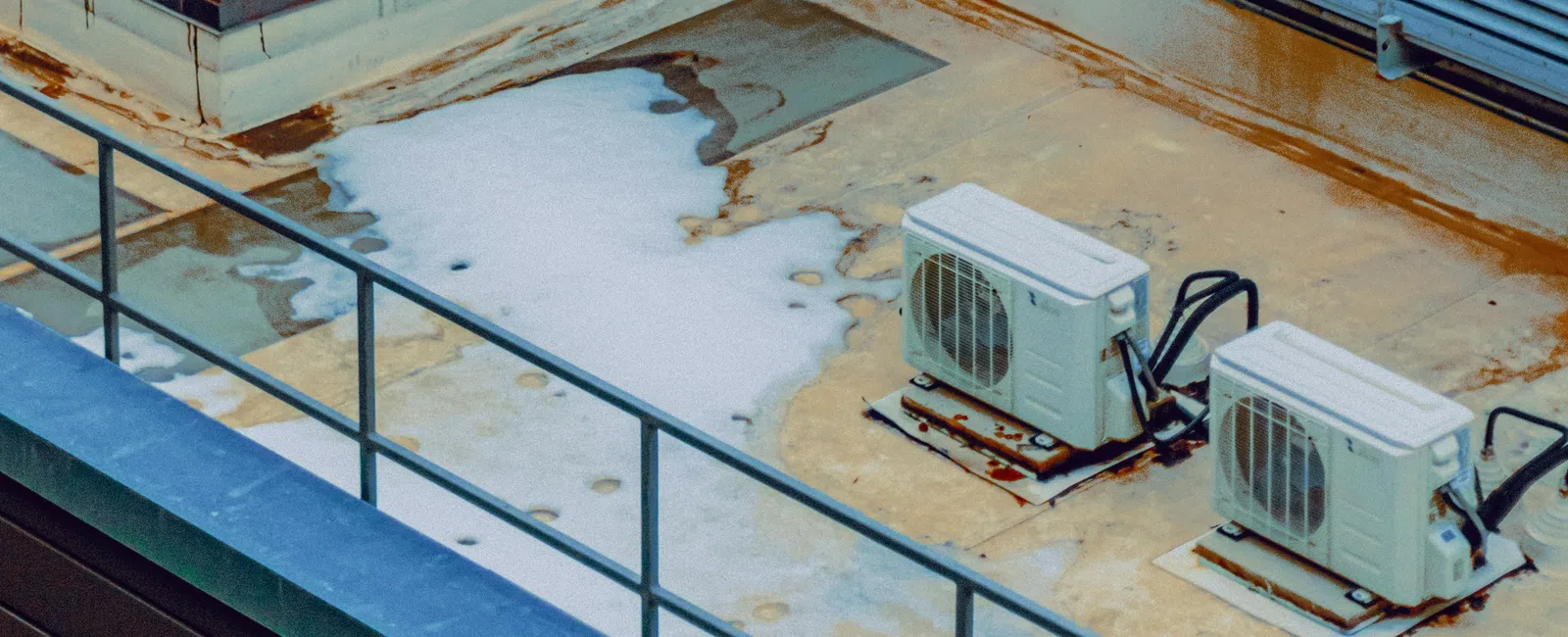
Plenty of north Atlanta homes run heat pumps, and they behave differently than a furnace in the cold. On frosty mornings, your unit will kick into a defrost cycle, blowing cooler air and even steaming for a few minutes. That is normal, not a breakdown.
Keep the outdoor unit clear of leaves and ice, and never cover it, since it needs airflow to pull heat from the outside air. If your system leans on backup heat often, learning the difference between aux heat and emergency heat helps you tell normal operation from a real problem.
Get Winter-Ready With MR. HVAC
Family-owned and operated for more than 25 years, MR. HVAC keeps north Atlanta homes warm through every cold snap. Our licensed technicians handle furnace and heat pump tune-ups across Canton, Woodstock, Roswell, and the surrounding counties, with upfront pricing, same-day service, and 24/7 emergency repair if the heat quits.
Beat the first freeze and schedule your winter tune-up by calling us today. A short appointment now is the difference between a cozy winter and a cold night spent waiting on a repair.


