
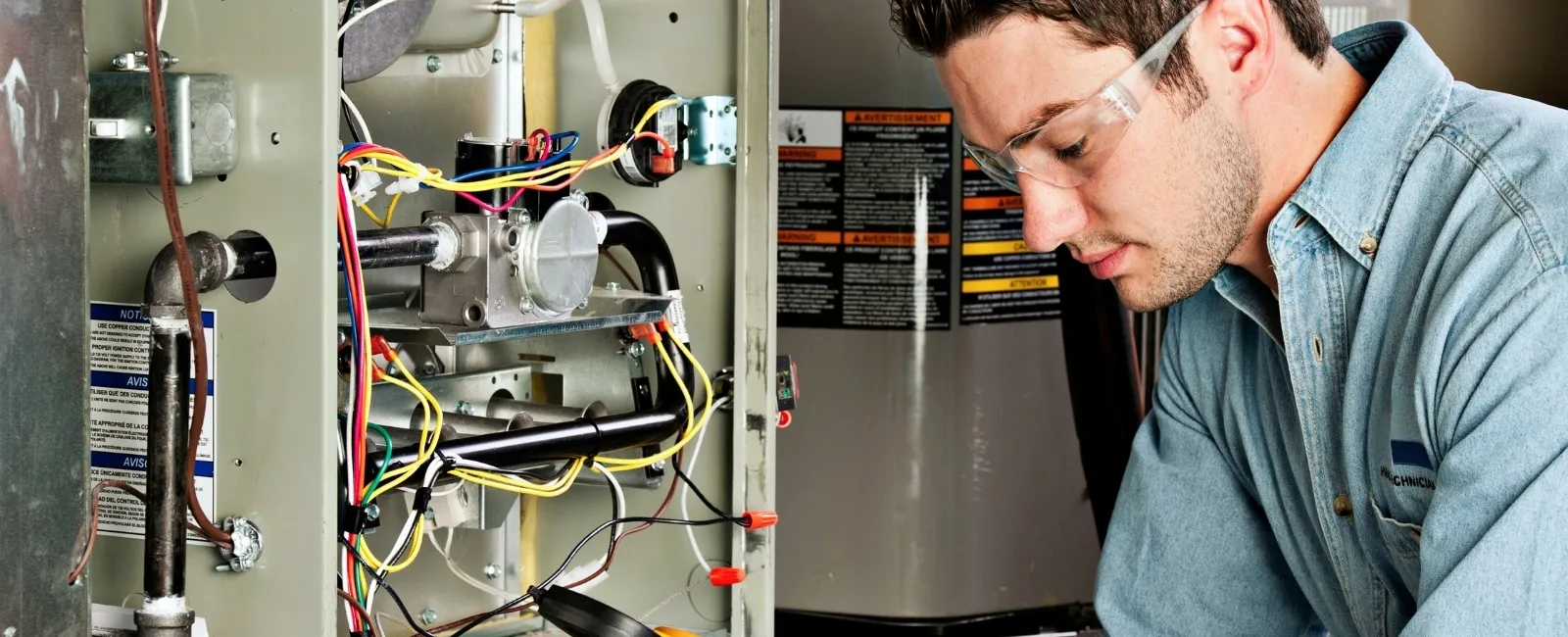
An AC tune-up means different things to different companies. Some providers run through a thorough 60-minute inspection covering every major system component. Others swap the filter, rinse the outdoor unit, and hand you an invoice.
Why Annual AC Maintenance Matters
Most AC breakdowns in Georgia occur during the hottest stretches of summer, when the system is running hardest, and any existing weakness is pushed to its limit. The capacitor that was borderline in May
fails in July. The refrigerant charge, which was slightly low in spring, leaves
you with a frozen coil in August.
A pre-season tune-up is designed to find those marginal
conditions before the heat arrives. It also keeps the system running
efficiently, which directly affects how long your equipment runs per cycle and how much it costs to operate. A well-maintained system uses less energy to produce
the same cooling as one running with dirty coils, restricted airflow, or a
low refrigerant charge.
Most HVAC manufacturers also require documented annual
maintenance to keep equipment warranties valid. Skipping AC tune-ups for several years
can leave you without warranty coverage on a compressor or coil that fails
prematurely.
What Gets Checked on the Outdoor Unit
The outdoor condenser unit is where the system releases the
heat it pulls from inside your home. A technician working on the outdoor unit
during a tune-up will cover several areas.
Condenser coil inspection and cleaning
The condenser coil fins accumulate dirt, grass clippings,
cottonwood, and other debris over the course of a season. A clogged condenser
coil cannot release heat effectively, forcing the system to work harder and raising operating temperatures throughout the refrigerant circuit. A
technician will inspect the coil and clean it with a coil cleaner, followed by a careful rinse, taking care not to damage the aluminum fins.
Capacitor testing
The capacitor is an electrical component that helps the
compressor and condenser fan motor start and run. Capacitors degrade over time,
and a weak capacitor is one of the most common causes of summer AC failures. A
technician tests a capacitor's health with a meter and can tell you whether it is within acceptable tolerances or approaching the point where replacement
is warranted. Catching a failing capacitor during a pre-season AC tune-up is far
less disruptive than having it fail on a 95-degree day.
Contactor inspection
The contactor is an electrical switch that sends power to
the compressor when the thermostat calls for cooling. The contact points inside
can become pitted or worn over time, causing the compressor to struggle to
start or fail to receive power consistently. A technician will inspect the
contacts and assess whether the component is approaching the end of its
reliable service life.
Electrical connections and disconnect box
Loose electrical connections create resistance, which
generates heat and can damage wiring or components over time. A technician
checks the disconnect box near the outdoor unit and tightens any connections
that have worked loose. They will also measure voltage and amperage at the
compressor and fan motor to confirm both are operating within the
manufacturer's specified range.
Refrigerant pressure check
Refrigerant is the fluid that carries heat out of your home.
The system operates at specific pressure ranges depending on outdoor
temperature and load conditions. A technician connects manifold gauges to the
service ports and reads the suction and discharge pressures to evaluate the
refrigerant charge. If pressure readings indicate the charge is low, the next step is to find the source of the leak before adding refrigerant, since refrigerant
does not deplete on its own in a properly sealed system.
Condenser fan motor inspection
The fan on top of the outdoor unit pulls air through the
condenser coil. A technician checks the fan blade for balance and damage,
verifies the motor is drawing appropriate amperage, and listens for unusual
sounds that might indicate bearing wear.
What Gets Checked on the Indoor Unit
The indoor air handler or evaporator section handles airflow
and heat absorption. Several components here require inspection and attention
during a tune-up.
Evaporator coil inspection
The evaporator coil is where the refrigerant absorbs heat from
your home's air. Even with a clean filter, fine particles accumulate on the
coil fins over time, reducing heat transfer efficiency. A technician will
visually inspect the coil and clean it if buildup is present. Heavy
contamination may require a more thorough wet cleaning process. A coil bypassed during a tune-up will continue to degrade until it noticeably affects
system performance.
Air filter check
A clean air filter is the simplest and most impactful thing
you can do for your system between professional visits. During a tune-up, a
technician will check the current filter, note its condition, and replace it if
needed. This is also a good opportunity to confirm you are using the right
filter type and changing it at the right interval for your home's conditions.
Blower motor and wheel inspection
The blower motor is what moves conditioned air through your
duct system. A technician checks the motor's amperage draw, inspects the blower
wheel for debris buildup, and listens for unusual sounds. A dirty blower wheel
is heavier and out of balance, increasing motor strain and reducing airflow. Some motors have oil ports that require periodic lubrication, which is
addressed during a proper tune-up.
Condensate drain line clearing
As the evaporator coil removes humidity from the air, that
moisture drips into a condensate drain pan and exits through a drain line. If
algae or debris blocks the line, water backs up and can overflow into the
ceiling, wall, or floor below the air handler. A technician will flush or
vacuum the drain line and confirm it is clear as part of a standard AC tune-up. They will also
check the drain pan for standing water, which can indicate a slow drain or an improperly pitched pan.
Overflow safety switch check
Most air handlers have a float switch in the drain pan that
shuts the system down if water backs up to a certain level. This prevents a
blocked drain from causing water damage before anyone notices. A technician
confirms this switch is functional and positioned correctly.
System-Wide Checks
Thermostat calibration and operation
A thermostat that is reading even a few degrees off causes
the system to over-run or under-run relative to actual conditions. A technician
verifies that the thermostat reads accurately, that the system responds correctly to a call for cooling, and that any programmed schedules or settings function as intended.
Airflow measurement
Proper airflow is essential for the system to operate at
rated efficiency. Restricted airflow, whether from a dirty filter, a blocked
return, a clogged coil, or an undersized duct, reduces capacity and increases
the risk of the evaporator coil freezing. A technician assesses airflow through
a combination of static pressure measurements and temperature differential
readings across the coil.
Supply and return temperature differential
Measuring the temperature difference between the air
entering the return and the air leaving the supply registers, called delta-T, provides a quick read on how effectively the system is cooling. Under typical conditions, a healthy system should produce a temperature difference of roughly 16
to 22 degrees Fahrenheit. A delta-T that is too low can point to a dirty coil,
low refrigerant, or insufficient airflow.
Refrigerant line insulation check
The suction line running between the outdoor and indoor
units is insulated to prevent energy loss and condensation. Over time, the foam
insulation can crack, compress, or pull away from the line. A technician will
check the visible sections of the refrigerant lines and flag any sections where
insulation has deteriorated.
How Long a Proper AC Tune-Up Takes
A thorough AC tune-up covering all of the above typically
takes 45 minutes to an hour and a half, depending on the system's condition and the accessibility of the components. A technician who arrives, changes a filter,
sprays the outdoor unit with a hose, and leaves in 20 minutes has not completed
a maintenance visit. They have completed a filter change with some theater
around it.
That distinction matters when you are paying for peace of
mind going into summer. It is completely reasonable to ask a company, before
you book, what their AC tune-up
covers and what they check. A company with a real process will be able to
answer specifically. One that cannot is worth reconsidering.
What You Should Receive at the End of the Visit
A good technician does not just work and leave. At the end
of a tune-up, they should walk you through what they found, note anything that
is marginal or worth watching, and give you a clear picture of the system's
current health. You should not be getting a hard sell on repairs at every maintenance visit, but you should be getting honest information about anything showing early signs of wear.
Some companies provide a written checklist or a digital report that shows each item inspected and its status. That record is useful if a warranty
claim ever comes up or if you are trying to decide between repair and
replacement on an aging system down the road.
Schedule Your AC Tune-Up with MR. HVAC Before Summer Peaks
MR. HVAC has been servicing air conditioning systems in Canton, Woodstock, Roswell, Alpharetta, and Cherokee County for over 25 years. Our tune-ups cover every item on this list, and we will give you a straight read on your system's condition without pressure. Call us at (770) 213-4111 or schedule your AC tune-up online. If your system needs more than maintenance, our AC repair team can walk you through your options without the upsell.


