
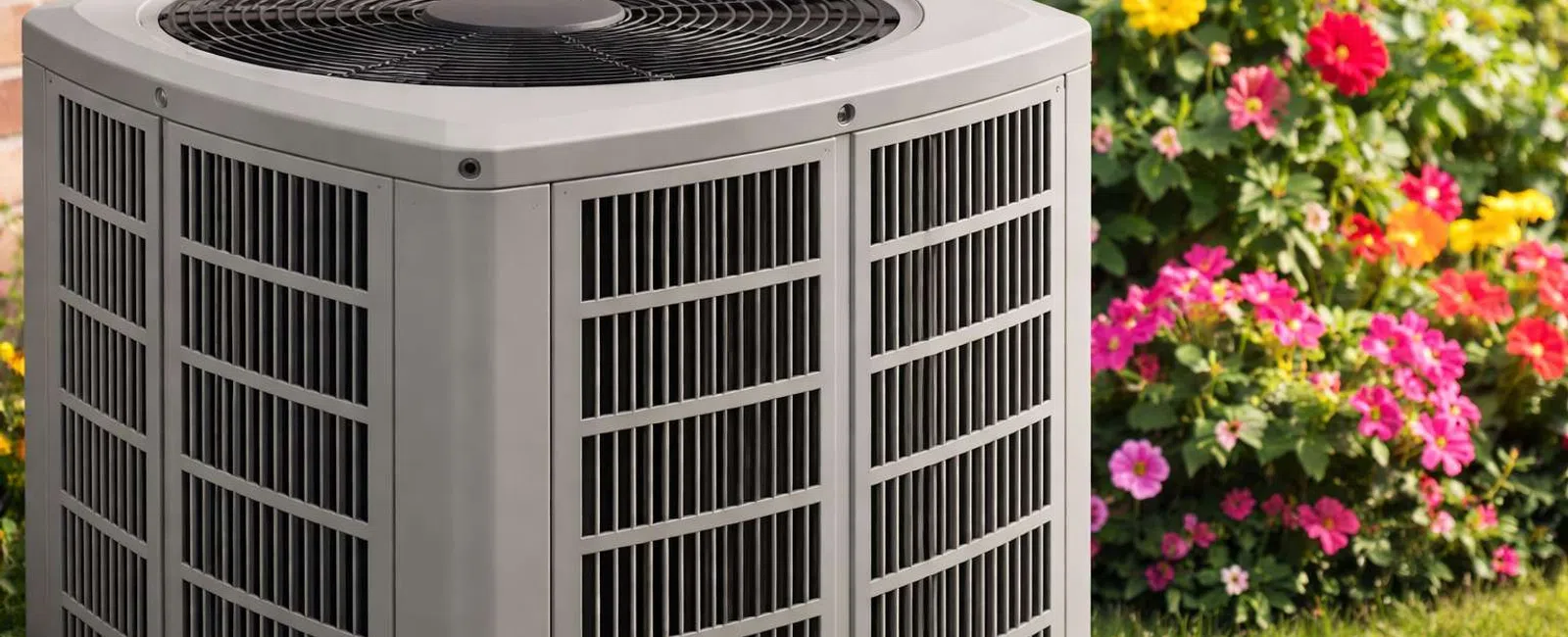
Some noise from a running air conditioner is normal. The
outdoor unit hums as the compressor runs, and you can hear air moving through
the vents when the blower is on. A new hum, louder than before, or one paired with the system not cooling as it should, is a different story.
Where the sound is coming from and what the system is doing
at the same time tells you a lot about what is going on.
Outdoor Unit Humming but the Fan Is Not Spinning
Turn the system off. If the outdoor unit is humming and the
fan blades are not moving, do not leave it running. Power flowing into a
stalled fan motor will burn out the motor windings within hours. What
would have been a straightforward capacitor swap can turn into a fan motor or
compressor replacement.
Shut it off at the disconnect box near the outdoor unit or
at the breaker, and call for service.
The most common cause is a failed run capacitor. The
capacitor is the component that gives the fan motor the jolt it needs to start
each cycle. When the capacitor fails, power reaches the motor, but the motor
cannot spin. The hum is the motor trying to start and failing.
Capacitor failures are common in Georgia summers. Heat wears
them down, and a capacitor that was marginal in spring often does not make it
through July. Catching it during a spring tune-up is the best way to avoid this
situation during a heat wave.
Outdoor Unit Humming, Fan Spinning, but the House Is Not Getting Cold
When the system appears to be running but is not cooling the
house, the hum usually indicates a component working harder than it should or not working as it should.
Contactor problems
The contactor is a relay inside the outdoor unit that sends
power to the compressor. When the contact points wear out or start to stick, the compressor may run erratically, fail to start, or draw power unevenly. A
chattering or humming noise from the outdoor unit often comes from a contactor
that is struggling. Left alone, it will eventually stop letting the compressor
start.
Compressor strain
A compressor running under load, whether from low
refrigerant, a dirty condenser coil, or internal wear, is louder than one
running normally. A hum that has gotten noticeably louder over the past season
or two, combined with the house staying warmer than it used to, is a sign that a
technician should check the refrigerant levels, coil condition, and
overall system pressures.
Dirty condenser coil
When the outdoor coil is clogged with dirt, cottonwood, or other debris, the system cannot release heat as it should. That drives
up pressure throughout the refrigerant circuit and puts extra strain on the
compressor. The result is a louder hum, longer run times, and less cooling. A
coil cleaning during a tune-up clears this up before it causes bigger problems.
Refrigerant leak
Low refrigerant levels from a slow leak cause the compressor to operate at higher temperatures and pressures than it was designed for. The system
gradually loses its cooling capacity, and the compressor grows louder over time.
Adding refrigerant without finding and fixing the leak is a short-term patch,
not a repair.
Outdoor Unit Humming When the AC Is Off
A hum from the outdoor unit when the thermostat is not
calling for cooling means something is drawing power it should not. A
stuck contactor is the usual culprit. When the contacts weld or stick closed,
the circuit stays live even when the system is supposed to be off.
A stuck contactor is a fire risk, particularly in summer
when heat and humidity accelerate corrosion at electrical connections. Shut the
system off at the breaker and call for service the same day. Do not wait on
this one.
Humming from Inside the Home
When the sound is coming from the air handler or the vents
rather than the outdoor unit, the cause is usually one of three things.
Blower motor
The blower motor moves air through the duct system. Worn
bearings, debris on the blower wheel, or a motor that needs lubrication will
produce a steady hum or low grinding sound throughout the cooling cycle. A
blower motor that keeps running without attention will eventually overheat.
Electrical components in the air handler
Transformers, control boards, and relays inside the air
handler can hum when a connection has loosened or a component is starting to
fail. A steady, low electrical hum that is coming from the cabinet itself, not
the blower, is worth having inspected. If there is any burning smell, shut the system off and call right away.
Airflow restriction
A hum or vibration at the vents is sometimes due to airflow issues rather than a failing component. A clogged filter, closed registers, or
loose ductwork can cause pressure imbalances that produce noise at the vents.
If the sound is loudest in a specific register, start by checking the filter and confirming that all the supply vents in the home are open.
When to Call vs. When to Watch
A hum the system has always made and has not changed is less
likely to be a problem. A new, louder, or different hum is
worth a call. Call the same day if:
- The outdoor fan is not spinning
- The unit is humming when it should be off
- There is a burning smell alongside the hum
- The hum started at the same time the house stopped cooling properly
Schedule service soon if the hum is new but the system is
still cooling, or if it has gotten noticeably louder over the past season.
These situations usually indicate something is wearing out rather than failing, but worn components do not get better on their own.
Why Summer Is When This Usually Comes Up
Capacitors, contactors, and motors take more abuse in summer
than at any other time of year. When temperatures stay in the 90s for weeks, the
system runs more cycles, components run hotter, and anything that was already
marginal tends to give out. The hottest part of summer is also the hardest time
to get a technician quickly.
A spring AC
tune-up includes testing the capacitor and contactor before the heat
arrives. Homeowners who skip it are more likely to call for
emergency repairs in July.
What a Technician Looks at When Your AC Is Humming
A technician will listen to where the hum is coming from and
what the system is doing when it occurs, then check the most likely causes. For an outdoor unit humming, that usually means testing the capacitor, inspecting the contactor, checking motor amperage draws, and pulling refrigerant pressures. For indoor humming, the starting point is the blower motor, blower wheel, and
the electrical connections in the air handler.
Replacing one part without looking at why it failed can mean
the replacement does not last either. A capacitor that fails early often does
so because a dirty coil causes the system to run hotter than it should. A
thorough diagnosis covers both.


