
A blank thermostat screen means your heating or cooling system has lost power, and it's more than just an inconvenience. It's often a signal that something has gone wrong elsewhere in your HVAC system. Understanding where that power actually comes from can help you figure out whether you're dealing with a simple fix or something that needs professional AC repair.
Where Your Thermostat Gets Its Power
Most thermostats don't plug into a wall outlet. Instead, they receive low-voltage power, typically 24 volts, from a transformer located inside your furnace or air handler. This transformer steps down your home's standard 120-volt electricity to a safer level that the thermostat and control circuits can use.
When you see a blank thermostat screen, it usually means something has interrupted this power supply. The problem could be at the thermostat itself, somewhere in the wiring between the thermostat and your HVAC equipment, or inside the furnace or air handler where the transformer lives.
Some thermostats also use batteries, either as a backup or as their primary power source. But even battery-powered models often rely on the 24-volt connection from your HVAC system to actually control heating and cooling. A dead battery might blank the screen, but a dead transformer means nothing works at all.
Common Reasons Your Thermostat Has No Power
Dead or Dying Batteries
If your thermostat uses batteries, this is the simplest explanation. Many thermostats display a low battery warning before they die completely, but it's easy to miss or ignore. Check the battery compartment, usually accessed by pulling the thermostat face away from the wall plate, and replace the batteries if they look old or corroded.
Keep in mind that even after replacing batteries, a completely dead thermostat may take a moment to boot back up. Give it a minute before assuming the batteries weren't the issue.
Tripped Circuit Breaker
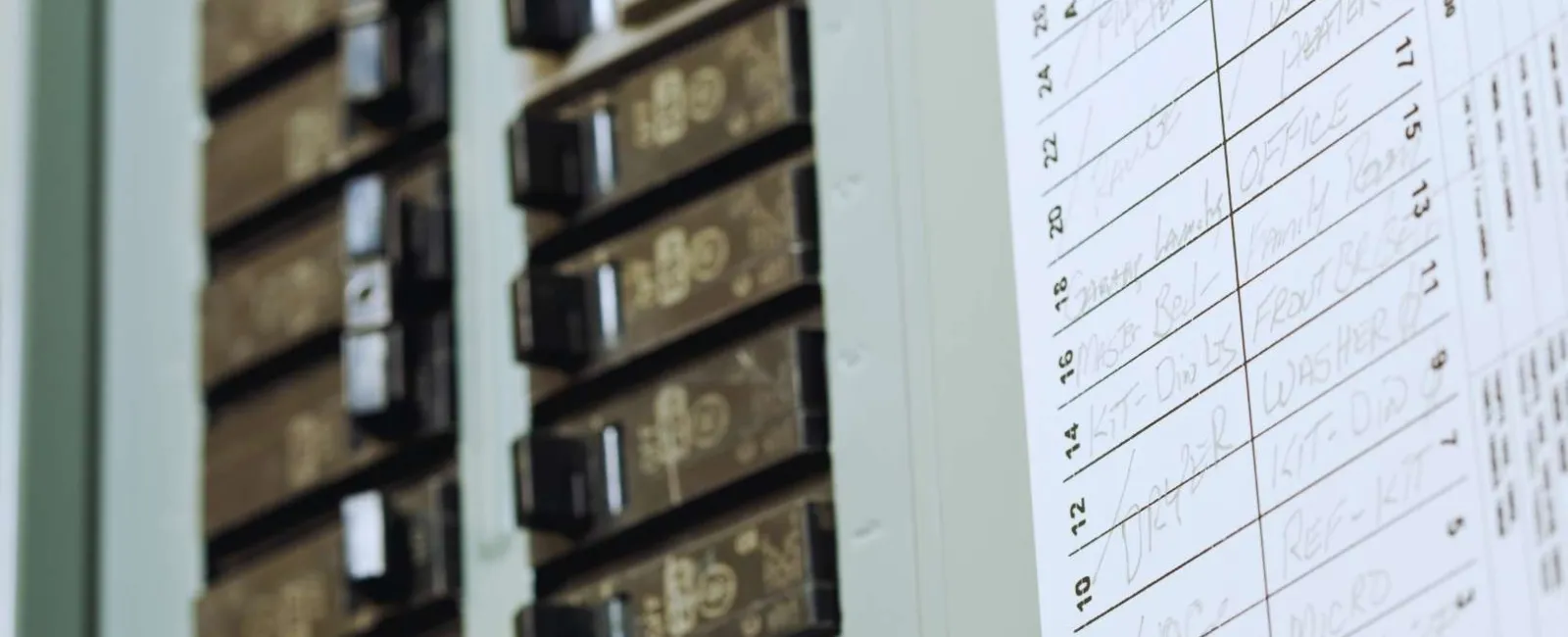
Your HVAC system has its own circuit breaker, or breakers, in your home's electrical panel. If that breaker trips, the transformer inside your furnace loses power, and your thermostat goes dark.
Check your electrical panel for any breakers that have flipped to the middle or "off" position. Reset the breaker by switching it fully off, then back on. If the breaker trips again immediately or within a few hours, there's likely an electrical problem that needs professional attention. Repeatedly resetting a tripping breaker can be dangerous.
Tripped Float Switch or Overflow Sensor
This one catches many homeowners off guard. Your air conditioner produces condensation as it runs, and that water drains away through a condensate line. If the line gets clogged, water backs up into the drain pan beneath your air handler.
Many systems have a float switch or overflow sensor that detects rising water in the pan. When triggered, this safety device shuts off power to your entire HVAC system to prevent water damage. The result is a blank thermostat screen and an air conditioner that won't run.
If you've noticed water around your indoor unit or your system stopped working during humid weather, a clogged condensate line may be the culprit. This is a common issue during North Georgia summers, when AC systems run constantly and condensate production is at its peak. A technician can clear the line and restore power during a routine AC repair visit.
Blown Fuse on the Control Board
Inside your furnace or air handler, there's a small fuse on the control board that protects the low-voltage circuits. If this fuse blows, the transformer may still be working, but power can't reach your thermostat.
A blown fuse often indicates a wiring problem, such as a short circuit caused by damaged wires touching each other. Simply replacing the fuse without finding the underlying cause usually means it will blow again. If you're comfortable opening your furnace cabinet, you can visually inspect the fuse, it's a small glass cylinder, but diagnosing why it blew typically requires professional troubleshooting.
Failed Transformer
The transformer itself can fail, especially in older systems. Transformers don't last forever, and power surges from storms can damage them. If the transformer has failed, there's no 24-volt power available for anything in your HVAC control circuit.
Replacing a transformer isn't complicated for a trained technician, but it does require working inside the furnace cabinet and handling electrical connections. This is a repair best left to professionals who can also verify the new transformer is properly sized for your system.
Loose or Damaged Wiring
The wires connecting your thermostat to your HVAC equipment can develop problems over time. Connections can work loose, wire insulation can crack, and in some cases, rodents or other pests can damage wiring hidden in walls or attics.
If your thermostat worked fine until recently and now has no power, a wiring issue is possible, especially in older homes or after recent work in your attic or walls. Diagnosing wiring problems requires tracing circuits and testing voltages, which is something an HVAC technician handles during a diagnostic service visit.
How to Check Whether Your Thermostat Is Getting Power
Before assuming the worst, there are a few safe checks a homeowner can do without opening any panels:
- Look for any light, icon, or partial display. Even a dim or flickering screen usually points to a battery or low-voltage issue rather than a dead transformer.
- Try replacing the batteries, even if the compartment looks fine. Corrosion isn't always visible.
- Check your electrical panel for a tripped breaker labeled for your furnace, air handler, or AC.
- Listen and look at your air handler or furnace for any humming, clicking, or indicator lights that suggest it still has power.
If you've gone through these checks and the screen is still blank, the issue is likely inside your HVAC equipment rather than at the thermostat itself.
If Your Power Just Came Back On
After a storm or utility outage, it's common for the thermostat to come back on but for heating or cooling to seem unresponsive for a few minutes. Many systems include a built-in compressor delay, often around five minutes, that prevents the outdoor unit from restarting too quickly after power is cut. This protects the compressor from damage and is normal behavior, not a malfunction.
If your thermostat has power after an outage but your system still won't respond after a reasonable wait, check your electrical panel again since outages frequently trip HVAC breakers even after utility power is restored. If the breaker is fine and the thermostat has power but nothing else is happening, that points to a problem elsewhere in the system rather than the thermostat itself, and it's a good time to schedule a diagnostic visit.
When to Call a Professional
Some thermostat power issues have simple solutions. If replacing batteries or resetting a tripped breaker brings your thermostat back to life, you're probably fine. But several situations call for professional help.
If your circuit breaker keeps tripping after you reset it, there's an electrical problem that could be dangerous. Breakers trip to protect your home from overloaded circuits or short circuits, and repeatedly forcing them back on ignores the warning they're giving you.
If you suspect a clogged condensate line or a tripped float switch, a technician can clear the blockage, inspect the drain system, and ensure water is flowing properly during a routine AC tune-up.
If you've checked the basics and your thermostat still has no power, the problem is likely inside your HVAC equipment. A blown fuse, failed transformer, or control board issue requires someone who can safely work with electrical components and diagnose the root cause.
At MR. HVAC, we help homeowners across Canton, Woodstock, Roswell, and Alpharetta get their systems back online quickly. Whether your thermostat lost power due to a simple tripped breaker or something more involved like a failed transformer, our technicians can identify the problem and explain your options before any work begins.
If your thermostat screen is blank and you're not sure why, don't let the problem linger. What looks like a thermostat issue is often a symptom of a problem with your furnace or air conditioning system. Schedule service today and get your comfort back under control.


