
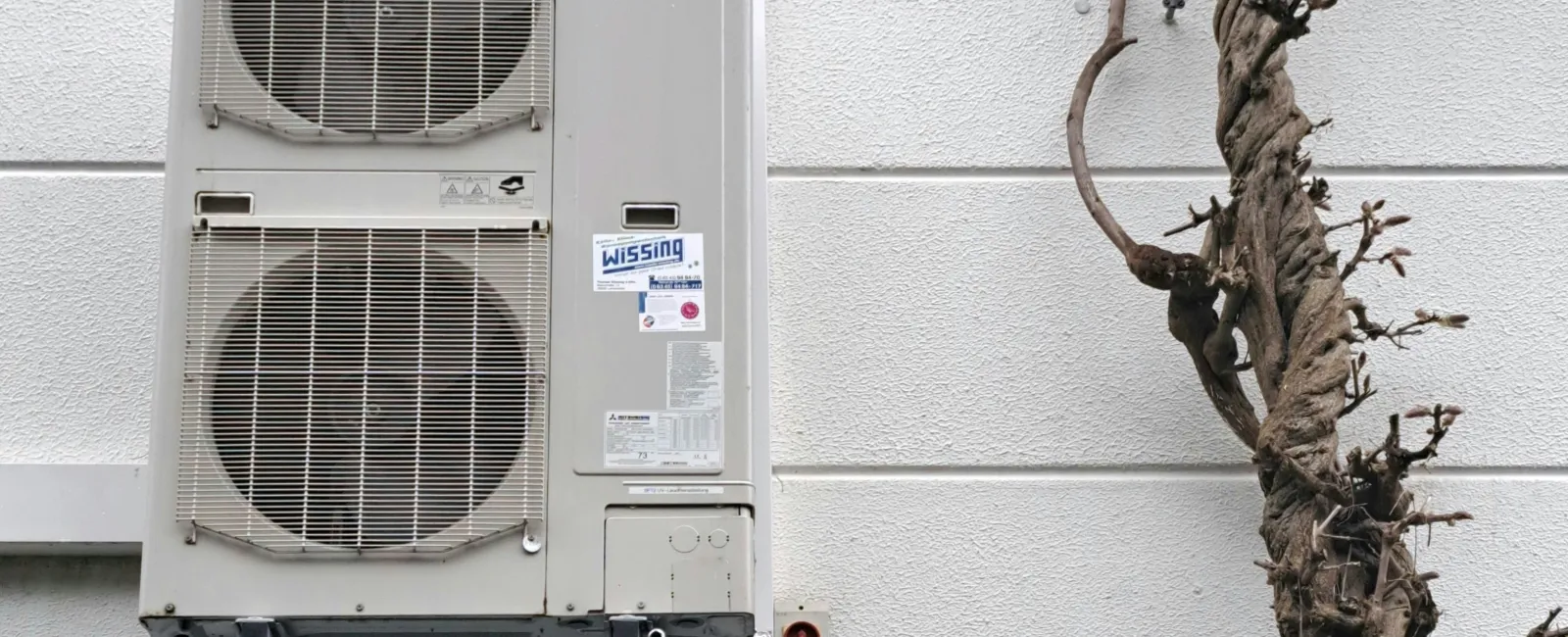
Most homeowners only think about their air conditioner's age when it stops working. However, knowing roughly where your system sits in its lifespan changes the decisions you make about it, from whether a repair is worth it to when you should start planning ahead. Here's what actually determines how many summers your AC has left.
The Typical Lifespan of an Air Conditioner
A well-maintained central air conditioner generally lasts 12 to 17 years. In Georgia, the realistic range is closer to 10 to 15.
That's not because the equipment is different here. It's because of how hard it works. Metro Atlanta and North Georgia have a cooling season that stretches from April into October, with high humidity through most of it. Your system isn't just cooling air; it's pulling moisture out of it, which means longer run times and more cycles per season than the same unit would see in a drier climate.
Heat pumps often land at the shorter end of that range, since they handle both heating and cooling and run close to year-round. The same is true of ductless mini splits that serve as a home's primary comfort system rather than a supplement.
What Actually Determines How Long Yours Lasts
Two identical units installed the same year in the same neighborhood can be five years apart in condition. The difference usually comes down to a handful of factors:
- Installation quality. A system that was charged incorrectly, matched to the wrong indoor coil, or connected to undersized ductwork starts losing life on day one.
- Sizing. An oversized unit short-cycles, which puts repeated strain on the compressor. An undersized one runs almost constantly. Both wear out early, which is why a proper AC installation starts with measuring the home rather than matching whatever was there before.
- Maintenance history. Dirty coils, clogged filters, and low refrigerant all force the system to work harder for the same result.
- Outdoor exposure. Units packed tightly against fences, buried in shrubs, or sitting under constant leaf fall run hotter than they should.
- Electrical events. Storms and grid surges are hard on compressors and control boards, and Georgia gets plenty of both.
None of these are dramatic on their own. Together, they're the reason one system reaches 16 years, and another gives out at nine.
Signs Your AC Is Nearing the End
Age alone isn't the whole story. A 14-year-old system that's been maintained can still have good years left, while a neglected 9-year-old one may not. Watch for these patterns instead:
- Repairs are happening more than once a season rather than once every few years
- Certain rooms never get comfortable no matter how the thermostat is set
- Your electric bills have climbed steadily without a change in habits or rates
- The system runs constantly on hot afternoons, but the house still feels muggy
- The outdoor unit has become noticeably louder over the past year or two
Compressor trouble deserves particular attention, since it's the most significant component in the system and often the deciding factor between repairing and replacing. If you're seeing warning signs there, an AC repair diagnosis will tell you what you're actually dealing with before you assume the worst.
The Refrigerant Factor
If your system is roughly 15 years or older, it may still run on R-22, which is no longer produced. Servicing those systems has become increasingly difficult, and that reality alone pushes some older units toward replacement sooner than their condition would.
Repeated refrigerant recharges are also worth paying attention to. Refrigerant isn't consumed the way fuel is, so a system that needs topping off year after year has a leak somewhere. On an aging unit, that's often a signal about where things are headed.
How to Get More Years Out of the System You Have
If your AC is in the middle of its lifespan and working reasonably well, a few habits genuinely extend it:
- Schedule an AC tune-up before each cooling season. Coil cleaning, refrigerant checks, and capacitor testing catch the small problems that turn into compressor failures.
- Change your filter on schedule. Restricted airflow is the single most common cause of avoidable strain.
- Keep two feet of clearance around the outdoor unit. Trim back shrubs and clear away leaves and grass clippings so the condenser can shed heat properly.
Consistent care won't make a 15-year-old system new again, but it reliably adds years to one that's been treated well from the start.
Planning Ahead Beats Reacting
The worst time to make a replacement decision is on a 95-degree afternoon with the house warming up and no cooling in sight. Homeowners who know their system's age and condition have time to compare equipment, understand efficiency ratings, and look into financing options or Georgia tax credits and rebates before anything is urgent.
At MR. HVAC, we've been serving Cherokee County and metro Atlanta for over 25 years, and we give homeowners the honest math on where their system stands. Sometimes that means a repair makes sense. Sometimes it means planning for AC replacement over the next year or two. Either way, you'll know what you're working with.
If you're unsure how much life your system has left, schedule a visit or call (770) 213-4111. We'll take a look and tell you straight.


