
Water is pooling around your indoor AC unit, a mysterious wet spot on the ceiling, or an air conditioner unit that suddenly won't turn on at all. All of these problems often trace back to the small PVC pipe most homeowners never think about: the condensation drain line.
Your AC removes gallons of water from your home's air every day during summer, and that water has to go somewhere. When the drain line clogs, the water backs up, overflows, and creates problems ranging from minor inconvenience to serious property damage. Understanding how your system works will help you recognize warning signs before a clogged drain line becomes your crisis.
How Your AC Creates and Removes Water
Every air conditioner is also a dehumidifier. As warm, humid air passes over the cold evaporator coil, moisture condenses out of the air and collects on the coil's surface. This is the same process that makes water bead up on a cold glass on a summer day.
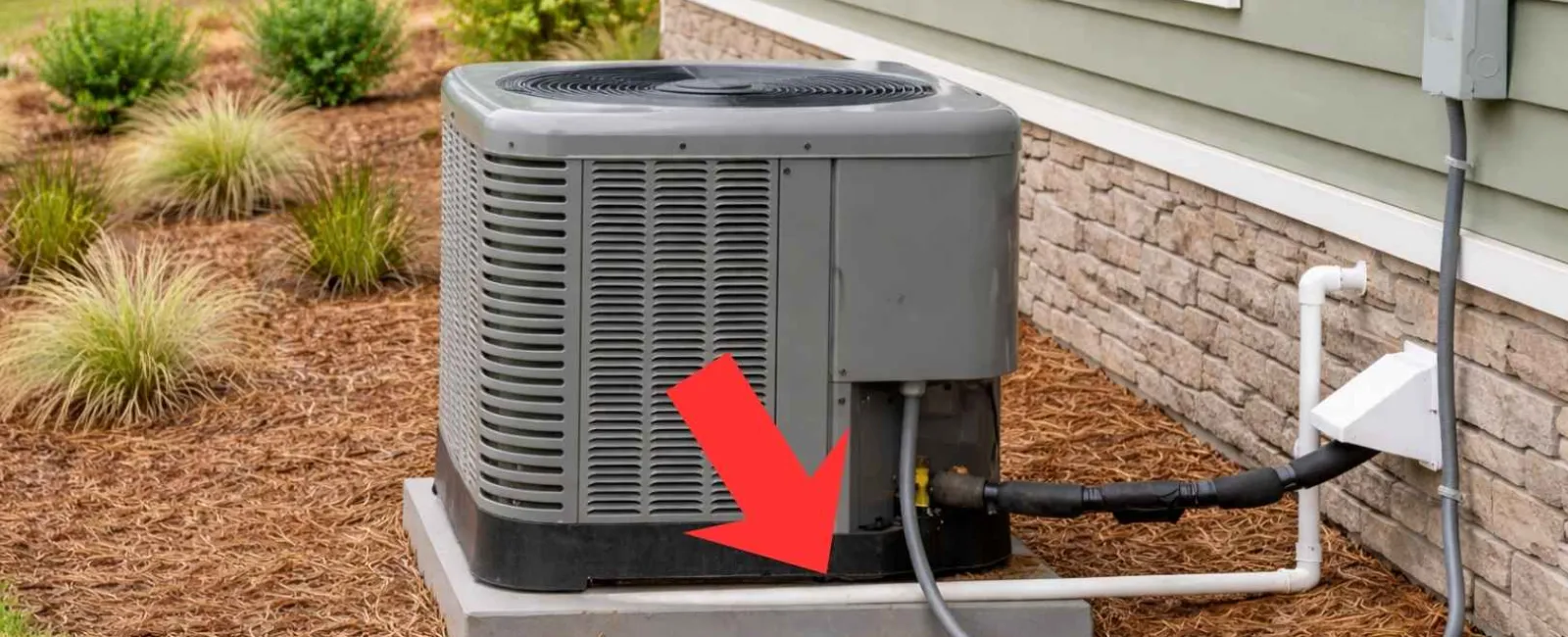
That condensed water drips down into a drain pan positioned below the evaporator coil. From there, it flows into the condensate drain line, a small, usually white PVC pipe that carries the water away from your system. In most homes, this line exists somewhere outside, often near the outdoor condensing unit or through an exterior wall.
During a typical summer, a properly functioning AC can remove 5 to 20 gallons of water per day, depending on humidity levels and how often your system runs. That's a lot of water flowing through a small pipe, and any obstruction in that pipe creates immediate problems.
What Actually Clogs the Drain Line
The condensate drain line provides an ideal environment for biological growth. It's dark, constantly wet, and stays warm from the surrounding air. Mold, algae, and bacteria thrive in these conditions.
The clogging process usually starts slowly. Microscopic organisms begin colonizing the inside of the pipe. As they grow and die, they create a slimy biofilm that clings to the pipe walls. Dust and debris that wash off the evaporator coil mix with this biological material, gradually building up until the opening narrows enough to restrict water flow.
Eventually, the buildup becomes dense enough to block water entirely. Or a chunk of the accumulated material breaks loose and lodges at a bend or joint in the pipe. Either way, water can no longer drain, and the problems begin.
Some factors accelerate this process. Poor air filtration allows more dust and debris to reach the evaporator coil and wash into the drain. High humidity means more water flowing through the system, creating more opportunities for biological growth. Infrequent maintenance allows the early stages of buildup to progress unchecked.
Warning Signs of a Clogged Drain Line
Drain line clogs rarely happen without warning. The system usually provides multiple signals before water starts overflowing onto your floor.
Water in the Drain Pan
The drain pan should remain essentially empty during normal operation. Water continuously drips in and flows out through the drain line. If you check the pan and find standing water, the drain isn't clearing fast enough. This is often the first indication of a developing clog.
Water Leaking Around the Indoor Unit
When the drain pan fills completely, water overflows onto whatever surface sits below your air handler. In an attic installation, this might mean water dripping through the ceiling. For units in closets or utility rooms, you might see water pooling on the floor. Any unexplained water near your indoor AC equipment should prompt investigation of the drain system.
The AC Won't Turn On
Many modern systems include a float switch or overflow sensor in the drain pan. When water rises to a certain level, this safety device shuts down the entire system to prevent water damage. Your AC appears to be malfunctioning, but it's actually protecting your home from flooding.
If your air conditioner suddenly stops working and you find water in the drain pan, a clogged drain line triggering the safety switch is a likely cause. The system won't restart until the water level drops and the drain is cleared.
Musty or Moldy Odors
The biological growth that causes clogs also produces odors. If you notice a musty, mildew smell when your AC runs, the drain system may harbor mold or algae. These organisms can release spores into your home's air supply, affecting indoor air quality even before a complete clog develops.
Gurgling Sounds
A partially blocked drain line may produce gurgling or bubbling sounds as water forces its way past the obstruction. This noise often comes from near the indoor unit or at the point where the drain line exits the house. Gurgling indicates water flow is restricted but not completely stopped, a warning that a full clog may be imminent.
Higher Indoor Humidity
If water can't drain properly, some of it may evaporate back into your home's air. You might notice your house feels more humid than usual, even with the AC running. This symptom often appears alongside other drainage issues.
The Secondary Drain Line Warning
Many homes have a backup drain system that alerts you before water damage occurs. This secondary drain line connects to a separate outlet in the drain pan and typically exits the building in a conspicuous location, often directly above a window or door where you'll notice water dripping.
If you see water draining from an unusual spot on your exterior wall, especially above an entryway, this is your system telling you the primary drain is clogged. The secondary line is handling overflow that should be going through the main drain. This is a warning signal, not normal operation. The system needs attention before the secondary line becomes overwhelmed as well.
Why Clogs Keep Coming Back
Some homeowners deal with drain line clogs repeatedly, sometimes multiple times per cooling season. If clogs keep recurring, simply clearing the blockage isn't enough. Something is causing an accelerated buildup that needs to be addressed.
Dirty evaporator coils shed more debris into the drain pan. If the coils haven't been cleaned in years, the accumulated dust and grime continuously wash into the drain system. An AC tune-up that includes coil cleaning reduces the debris load on the drain.
Inadequate air filtration lets too much particulate matter reach the evaporator coil in the first place. If you're using the cheapest filters available or going too long between changes, upgrading your filtration practices may help prevent future clogs.
The installation of the drain line can also contribute to recurring problems. If the pipe doesn't slope properly, water may pool in sections rather than flow out completely. If there are unnecessary bends or joints, debris can accumulate at these points. An experienced HVAC technician can evaluate whether the drain line's design is contributing to clog frequency.
The Damage a Clogged Drain Can Cause
A clogged drain line isn't just an inconvenience. Left unaddressed, it can cause serious and expensive damage to your home.
Water damage is the most obvious risk. Overflowing drain pans can soak insulation, stain ceilings, warp flooring, and damage drywall. Depending on your air handler's location, a single overflow event can cause hundreds or thousands of dollars in repairs.
Mold growth presents both property and health concerns. The damp conditions created by a clogged drain provide exactly what mold needs to flourish. Once established, mold can spread behind walls and into ductwork, requiring professional remediation to fully eliminate.
The AC equipment itself can also suffer. Standing water in the drain pan promotes rust and corrosion. Prolonged exposure to moisture can damage electrical components. A system that repeatedly shuts down due to the safety switch experiences greater stress from frequent on-off cycling.
How Technicians Address Clogged Drains
When you call for a professional AC diagnosis, the technician will typically start by locating and inspecting the drain system. They'll check the drain pan for standing water and examine accessible portions of the drain line for visible problems.
Clearing the clog usually involves a combination of methods. Wet-dry vacuums can pull obstructions out from the drain termination point. Specialized brushes or cables can break up blockages within the pipe. Compressed air or water may be used to flush loosened material through the system.
After clearing the immediate blockage, thorough cleaning removes the biofilm and residue that could seed future clogs. The technician may treat the drain line with solutions that inhibit biological growth, giving you a longer period before buildup begins again.
Finally, they'll test the drain by running the system and verifying that water flows freely through the line. They may also inspect related components, such as the evaporator coil and drain pan, for conditions that contributed to the clog.
Preventing Future Drain Problems
Regular seasonal maintenance is the most reliable way to prevent drain line clogs. A technician performing an annual AC maintenance visit will inspect and clean the drain system as part of the overall service, catching developing problems before they cause water damage.
Between professional visits, keeping up with air filter changes helps reduce the debris load on your system. Check your drain pan periodically, especially during the heavy cooling season, and note any standing water or unusual odors.
If your system has a secondary drain that exits in a visible location, make a habit of glancing at it occasionally. Water dripping from the secondary outlet means the primary drain needs attention.
When Your AC Needs Drain Service
If you're seeing water where it shouldn't be, smelling musty odors from your vents, or dealing with an AC that won't start, a clogged drain line may be the cause. MR. HVAC provides thorough drain-line diagnosis and cleaning for homeowners in Canton, Woodstock, Roswell, and Alpharetta.
We identify not just the immediate clog but also the underlying conditions that caused it. Our goal is to fix the problem so it doesn't return season after season.
Don't wait for water damage to force the issue. If your drain system is showing warning signs, schedule AC repair service before a small problem becomes an expensive one.


